Automatic Stove Shut-Off: What to Do When a Parent Forgets the Stove
Burned pots and burners left on are a warning, not a quirk. How shut-off devices work, which to buy and what else helps.
Some links below are affiliate links: if you buy through them, Tiina may earn a small commission at no extra cost to you. As an Amazon Associate I earn from qualifying purchases.
If your parent has left a burner on more than once, add protection now. An automatic stove shut-off device sits between the stove and its power or gas supply and cuts it off when cooking is left alone or the smoke alarm goes off. The two worth buying cost a few hundred dollars. Stove knob covers, a microwave and working smoke alarms are cheaper layers to add this week.
The stove shut-off devices worth buying
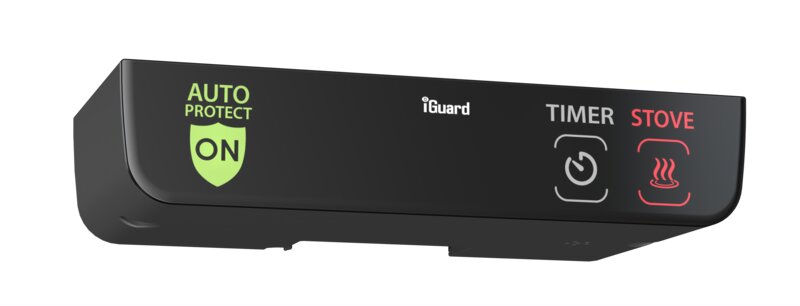
iGuard for Electric Stoves
A slim sensor bar mounts by the stove and notices whether anyone is in the kitchen. If the stove is on and nobody's around, it warns with an alert, then turns off the burners and oven before there's smoke. A timer mode lets your parent simmer soup without a shutoff, the main protection works without Wi-Fi, and an app lets family see stove activity. It plugs in between the stove and the outlet, so no electrician is needed.
Watch for: The 4-prong model is in stock. The 3-prong model is on a waitlist, so sign up on iGuard's website if your parent's stove has a 3-prong plug. Gas stoves need a different iGuard model, and that one isn't shipping until 2027.

FireAvert Auto Stove Shutoff
It sits behind the stove and listens for your parent's smoke alarm. If the alarm keeps sounding past a short built-in delay, which FireAvert calls a smart delay, it cuts power to an electric stove, and the gas version closes a valve on the gas line. The 3-prong, 4-prong and gas versions cost the same, and it can send you a text or app alert when it trips, with no monthly fee for those alerts.
Watch for: It acts only after smoke sets off the alarm, so it won't save the pot, and it depends on a working smoke alarm near the kitchen. Someone has to restore power afterward with the QR sticker or the app.
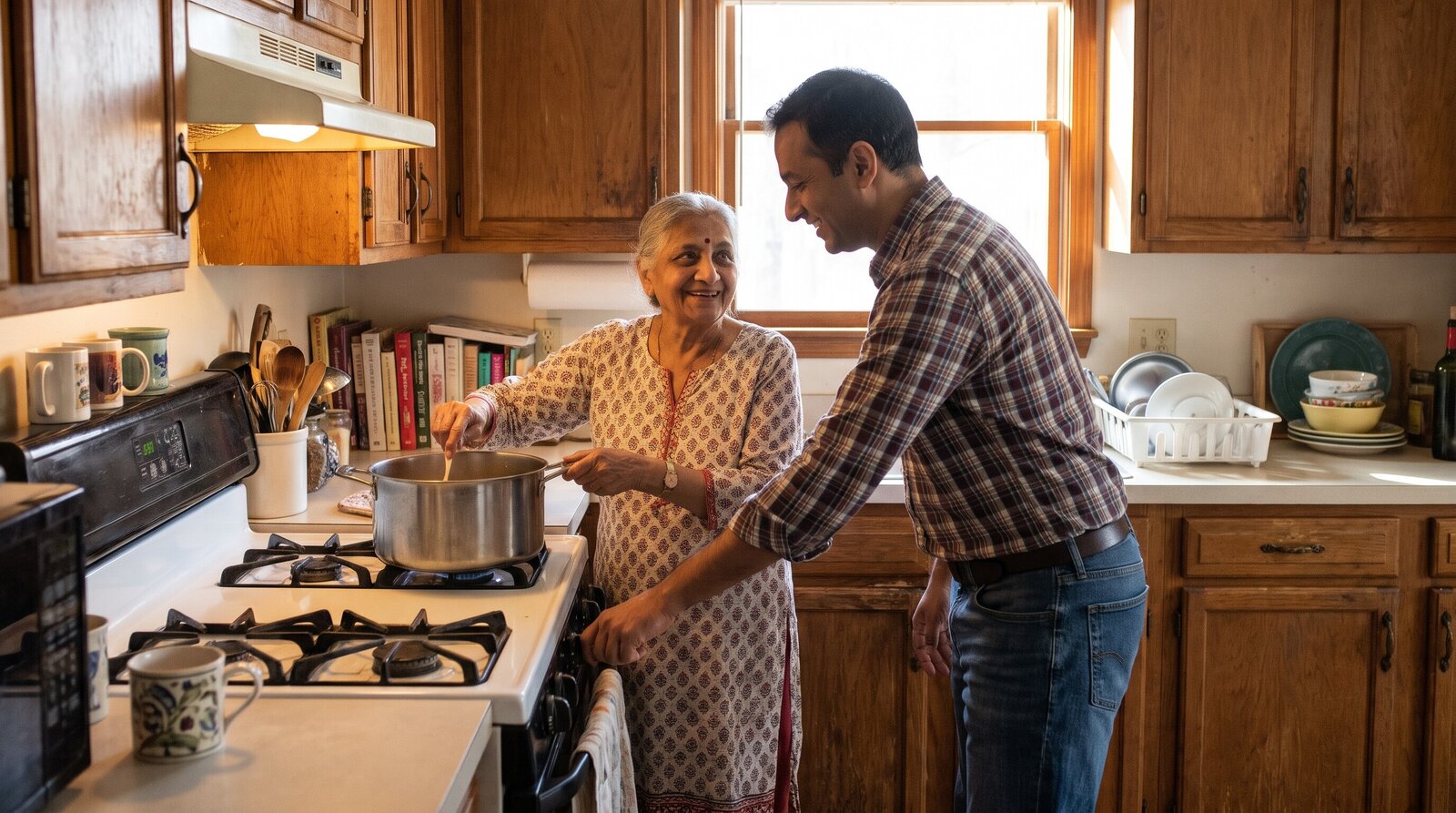
You stop by on a Thursday and the kitchen smells like burned rice. There's a blackened pot soaking in the sink, and your mom waves it off: the phone rang and she lost track of time. Then you notice the oven mitt with a scorched corner, and the smoke alarm sitting on top of the fridge with its battery out. One burned pot is a bad afternoon. A pattern is a warning. Here's what to do about it while your mom can still enjoy cooking, and before a forgotten burner turns into a fire.
Why a forgotten burner is a big deal
Cooking is the leading cause of reported home fires and home fire injuries in the U.S., according to the National Fire Protection Association. It caused 44% of reported home fires from 2017 to 2021. Unattended cooking was by far the leading factor, and ranges or cooktops were involved in 53% of home cooking fires and 88% of cooking fire deaths. Homes with electric ranges had a higher risk than homes with gas.
These are the signs that it's time to act:
- Scorched pots, or a burned smell when you walk in
- Burners or the oven on when nobody's cooking
- A smoke alarm with the battery pulled because it kept going off
- New burns or blisters on hands and forearms
- Food left on the stove after your parent went out or went to bed
- Dish towels, mail or paper stored on or in the stove
If the forgetting is new, tell the doctor
Everyone leaves a burner on once. A new habit of it can be one of the early signs of memory changes, along with repeated questions and missed bills. Bring it up at the next appointment, with dates and examples. It may turn out to be something treatable, like a medication side effect, poor sleep or a hearing problem that means the timer goes unheard.
Either way, protect the kitchen now. Safety doesn't need to wait for an answer from the doctor.
How automatic stove shut-off devices work
There are two main kinds, and they solve different problems.
- Presence sensing. A sensor near the stove notices whether anyone is in the kitchen. If the stove is on and nobody's there, it beeps a warning, then cuts power to the burners and oven. This stops the problem before there's smoke, which suits a parent who regularly forgets they're cooking.
- Smoke alarm triggered. A box behind the stove listens for the smoke alarm. If the alarm keeps sounding, it cuts power to an electric stove or closes a valve on a gas line. It's a backstop: the pot still burns, but the fire doesn't spread from the stove.
- Gas versus electric. Electric models plug in between the stove and the wall outlet, so look at the stove's plug and count the prongs (3 or 4) before you order. Gas versions add a valve on the gas line. If you're not comfortable working on a gas line, hire a plumber.
- Resetting. After a shutoff, the stove stays off until someone resets it. Decide ahead of time whether that's your parent, you or a neighbor, and show them how.

The shut-off handles the forgotten burner. When your parent is out of ideas, she asks Tiina for a recipe that skips the stove, or talks through what to make with what's in the fridge.
Cheaper fixes to add this week
The Alzheimer's Association suggests using appliances with an automatic shut-off, putting covers on stove knobs or removing them, and turning off the gas when the stove isn't in use. Layer these with a device or use them while you decide:
- A microwave at counter height for reheating, and an electric kettle that switches itself off, so the stove isn't the default for every cup of tea
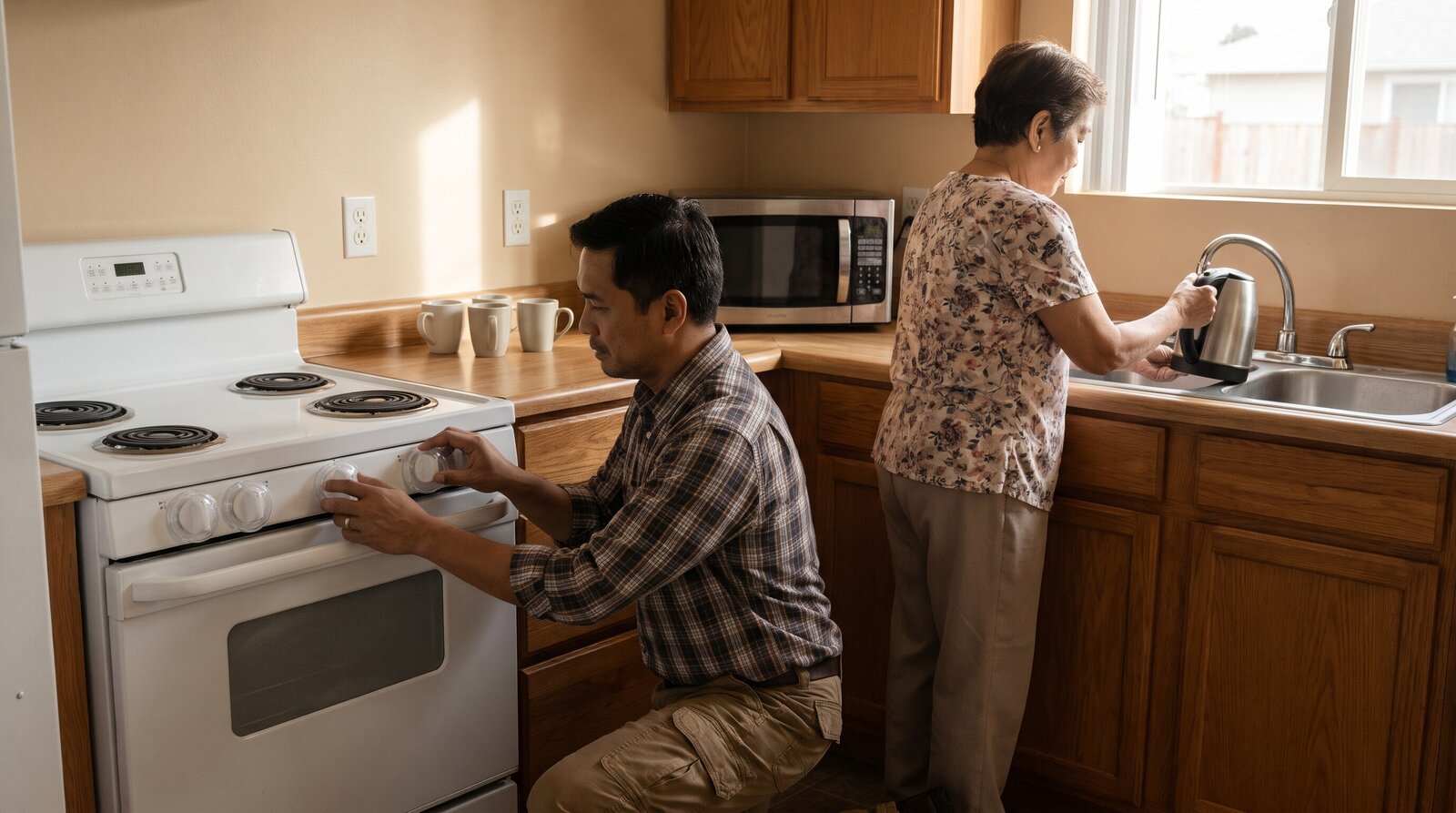
- Stove knob covers, which make the burners harder to turn on by accident or out of habit
- A loud kitchen timer on a lanyard or a phone alarm whenever something's on the stove
- A working smoke alarm near the kitchen, tested on every visit, and a fire extinguisher by the kitchen door
- Fewer stove meals. Ready-to-heat meal delivery for seniors takes the burner out of most dinners.
Which kind fits your parent
Match the device to how often the forgetting happens and how your parent cooks.
If it's happened once or twice and your parent is otherwise sharp, a smoke-alarm-triggered device is a sensible backstop. It stays out of the way, never interrupts a normal meal and only steps in when there's real smoke. It's also the cheaper choice, and the same price for gas or electric.
If burners are being left on regularly, or your parent wanders off mid-recipe to answer the door and forgets, choose presence sensing. It acts before the pan smokes, which matters if your parent has memory loss or a weak sense of smell and might not react to a burning pot. Nearly one in three adults 80 and older report a problem with their sense of smell, according to the National Institute on Deafness and Other Communication Disorders, and people who can't smell well can miss cues like fire and gas leaks.
Either way, think about who hears the alerts. Both can notify family by phone, which helps if you live far away, but agree with your parent up front what you'll do with that information so it doesn't feel like spying. And put the device on your calendar: check it, and the smoke alarm, every time you visit.
How to bring it up without a fight
Cooking is often tied to who your parent is: the one who fed everyone. Telling them they're not safe in their own kitchen can land as an insult. Frame the device as a smoke detector for the stove, something sensible that keeps them independent, rather than proof they're slipping.
Try: "I'd sleep better if the stove had a backup, the way the house has smoke alarms. You'd still cook whatever you want." Install it together, and let your parent press the buttons. If you're hitting a wall, these ways to handle a parent who refuses help work for kitchen talks too.
When cooking alone has to stop
A shut-off device buys time; it doesn't fix memory loss. If your parent keeps tripping it, forgets food entirely, gets confused by the controls or starts cooking in the middle of the night, it's time for the next step. That can mean cooking together, removing the knobs between meals, switching off the stove's breaker, or relying on delivered meals and help at home.
Ask the doctor for an occupational therapist's home safety visit. They can watch your parent cook and tell you what's still safe. For the bigger picture, here's how to take care of an elderly parent without taking over their life.
- Look at the bottoms of the pots and pans for scorch marks
- Check that nothing is stored in the oven, on the burners or right next to them
- Press the test button on the smoke alarm nearest the kitchen
- Look behind an electric stove and count the plug's prongs (3 or 4), or note that it's gas
- Check whether the stove knobs pull off easily, in case you need knob covers
- Put a fire extinguisher by the kitchen door and show your parent where it is
- Write down any burned food or burners left on, with dates, for the doctor
Mom still plans Sunday dinner. The stove just has a backup now.
The shut-off cuts the power if a burner is forgotten, and the knob covers handle the rest. When she wants to talk through the gravy, or decide what to make tonight, she taps Call Tiina and thinks it through out loud with someone patient who has recipe ideas of her own.
Try Tiina with Mom →Frequently Asked Questions
Methodology & editorial policy
Reviewed and updated October 31, 2026 by the Tiina Editorial Team. Facts, programs and prices in this guide come from the sources listed below.
About composite scenarios. The opening scene is a composite.
About Tiina. Tiina is a voice-first AI companion for older adults: an app for iPhone and iPad that your parent opens whenever they want someone to talk to, day or night.
Sharing. Quote freely with a link back to this page. For full reprints, email hello@tiina.ai.
Sources. 6 references: National Fire Protection Association, Alzheimer's Association, iGuard, FireAvert, NIDCD.View all
- National Fire Protection Association. Home Cooking Fires (September 2023). content.nfpa.org
- Alzheimer's Association. Home Safety. alz.org
- iGuard. iGuard for Electric Stoves, Plugin Model. amazon.com
- FireAvert. The Auto Stove Shutoff. amazon.com
- FireAvert. Install and troubleshoot. support.fireavert.com
- NIDCD. Problems with ability to smell or taste common in middle-aged and older adults. nidcd.nih.gov