7 Phone Scams Targeting Seniors + the Sentence That Stops Each
A guide for the adult children of a generation that still answers the phone.
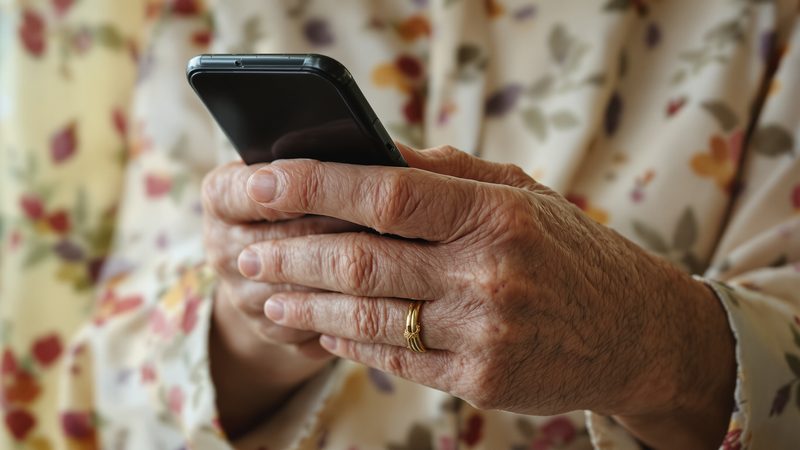
At 4:11 PM last Tuesday, a 73-year-old woman in Akron named Margaret opened Tiina on her iPhone and said,
"Honey, I think I just did something dumb."
She hadn't.
She had hung up — at minute six — on a woman calling herself Susan from Medicare who said her card was being replaced and just needed to verify the number on her current one. Margaret has had her Medicare card for nine years. Her son set it up for her. The number hasn't changed.
The conversation lasted ninety seconds. Tiina helped her find the official Medicare number on the back of her card — 1-800-MEDICARE. Margaret called. Her account was fine. Margaret made a cup of tea.
She opened Tiina first.
Below: the seven scripts running right now in 2026 — including the Medicare one Margaret heard — the one calm sentence that stops each one cold, and what changed about phone scams between when your parents learned to use a phone and now.
Margaret's call wasn't unusual. Phone scams targeting seniors are one of the largest categories of elder fraud in the United States — the FBI's 2024 Elder Fraud Report logged more than $4.8 billion reported lost by adults 60 and older, including losses to imposter calls, grandparent-scam AI voice clones, and Medicare scam calls. The seven scripts below are the ones running this week, on real phones, in real kitchens. The goal of this guide is simple: name them, give the one calm sentence that stops each one, and tell you what to actually do if your mom or dad has already picked up.
The seven phone scams targeting seniors most heavily in 2026:
- The Medicare card replacement scam
- The grandparent emergency scam — now using AI voice clones
- The IRS back-tax threat
- The Amazon refund scam
- The gift-card romance scam
- The tech-support pop-up scam
- The Social Security suspension call
Each runs on the same three levers — urgency, authority, and an unusual payment method (gift cards, wire transfer, or crypto). The single calmest response, "I'll call back at the number on my card," stops most of them inside ten seconds.
If your mom or dad falls for one of these, it is not because you didn't call enough. The scams running in 2026 were built by people with engineering degrees and offshore call centers. They are designed to slip past the most attentive families in America.
Your job was never to answer every strange call for them. Your job is to make sure they have someone calm to call right after one ends.
That's it. That's the whole job.
Tiina costs $24.99/month after a 7-day free trial. Less than a missed-bill late fee.
What changed about phone scams targeting seniors in 2026
Your mother answers the phone. That's the entire vulnerability. Not because she's gullible — because she was raised in a house where letting a phone ring was rude. Scammers don't need to be smart. They just need to dial the generation that still picks up.
What changed in 2026: scammers have your mom or dad's first name before they dial. They got it from a public obituary, a church directory, a data broker. The caller ID shows their own area code. The voice on the grandparent scam is now an AI clone of your nephew's actual voice — pulled off his Instagram. None of this used to be possible. All of it is now.
Your mom is the same woman who balanced a checkbook to the penny and still calls the gas company when she gets overcharged $1.40. Your dad is the same man who taught you to ride a bike and still rebuilds the carburetor in his Ford. The system they're up against didn't exist three years ago. That's the only thing that's changed.
The 7 phone scam scripts running right now in 2026
Medicare card replacement scam
This is the script Margaret heard. The caller says they're from Medicare. They say a new card is in the mail and they "just need to verify" the old number, the Social Security number, and the bank routing. Read it once so you'll know it when your parent describes the call:
— Composite script based on FTC and CMS consumer alerts (see sources below).
- Medicare never calls first to ask for a card number
- "Verify" is the magic word — they want it read out loud
- Caller ID is theater. Every number in your mom's phone book has been spoofed by somebody this year.

Your mom doesn't need to memorize seven scripts. She needs one app she can tap right after a strange call ends — somebody calm, who won't make her feel dumb for asking. That's what Tiina is.
If you want to skip ahead and just set Tiina up for your mom now, start her free trial here — otherwise, keep reading. The other six are below.
Grandparent emergency scam (AI voice clones)
This is the one keeping you up since you read about it. The caller is sometimes a real person. More and more often in 2026, it's an AI clone of your nephew's voice — pulled from a TikTok he posted last summer.

They call in tears at an odd hour saying they've been arrested or in a car accident. They beg the grandparent not to call mom or dad. That's the giveaway. Real grandchildren in real trouble want their parents called.
— Composite script based on the FTC's consumer alert on AI-enhanced family-emergency schemes (see sources below).
The other five phone scams to know by name
These five run on the same machinery — urgency, authority, an unusual payment method. Below: a quick reference table, then each one in detail with the script your parent will hear and the one sentence that stops it.
Each scam in detail ↓
IRS back-tax threat scam
An automated or live voice claims to be from the Internal Revenue Service. They say back taxes are overdue and a sheriff is on the way unless your parent pays today — usually in Apple gift cards or a wire transfer. This is one of the most common government imposter scams targeting seniors.
Who it hits hardest: Dads who've always paid their taxes on time — they're the most rattled by the threat. The IRS initiates contact by mail. They never demand gift cards. They never threaten arrest by phone.
Amazon refund scam
An email or call references a real recent order — a $1,200 charge, a TV, a laptop. The "agent" offers to "refund" it, then asks for remote access to your parent's computer or bank login. The order data was stolen from a leaked retailer database, not from Amazon.
Who it hits hardest: Anyone who actually shops on Amazon. Amazon doesn't call out of the blue about a charge. If your parent isn't sure, the answer is always to open the Amazon app directly and check Orders.
Gift-card romance scam
Three weeks of friendship online — then an emergency, then a request for Apple gift cards. Romance scams targeting seniors overwhelmingly hit widowed parents and follow a script the FBI calls "the long con." The clue is never the romance. It's the moment gift cards enter the conversation.
Who it hits hardest: Widowed parents — moms and dads equally. Length of relationship is irrelevant. The single non-negotiable rule: no real friend, lover, or family member ever asks to be paid in gift cards.
Tech-support pop-up scam
A pop-up freezes the screen with a fake Microsoft, Apple, or Norton warning and a phone number to call. The "tech" wants remote access. Once they're in, they install software that locks the parent out and demand payment to restore the machine. Often called the Microsoft tech support scam or Apple support scam.
Who it hits hardest: Dads on the family desktop, still using Outlook on a PC. The fix: never call a number on a pop-up. Restart the machine. If it happens again, it's a browser issue, not a virus.
Social Security suspension scam
A robocall or live caller says your parent's Social Security number has been suspended due to "suspicious activity" — usually a claim that the SSN was used in a crime in Texas. This is one of the most-reported government imposter scams in the FTC's Consumer Sentinel database.
Who it hits hardest: Anyone who's heard a friend lost benefits — the fear is pre-installed. The Social Security Administration never suspends numbers. They never call to threaten benefit loss. Real SSA contact is by mail.
What to do if your parent already gave a scammer money or personal information
Before anything else: call them and tell them they're not in trouble with you. Many victims don't tell anyone for days because they're too humiliated. Those days are the difference between getting the money back and not.
The four steps:
- Call the bank immediately. Wire transfers can sometimes be reversed within hours.
- File a report at the FTC's elder-fraud reporting portal (reportfraud.ftc.gov).
- Place a fraud alert with one of the three credit bureaus.
- If gift cards were used, call the issuer immediately — some can be frozen if reported within 24 hours.
How to talk to your mom or dad about senior scam phone calls (without making them feel watched)

You cannot lecture the people who taught you to read. The line that works is:
"I just read about a new scam and I want to make sure I'd catch it if I got the call. Can I run the script by you?"
You become the student. They become the expert. You read them the verbatim script from above. They say "oh, that's obvious" — and now they've heard it once, in your voice, before a stranger ever runs it on them.
Imagine doing this with your dad — say, a retired postmaster who's been giving clear directions to confused people for thirty years. He reads you the IRS script in that same cadence. Halfway through he sets the paper down and says, "Oh. They're getting clever, aren't they." Now he's heard the script once, in your voice. The next time it runs on him, he hangs up.
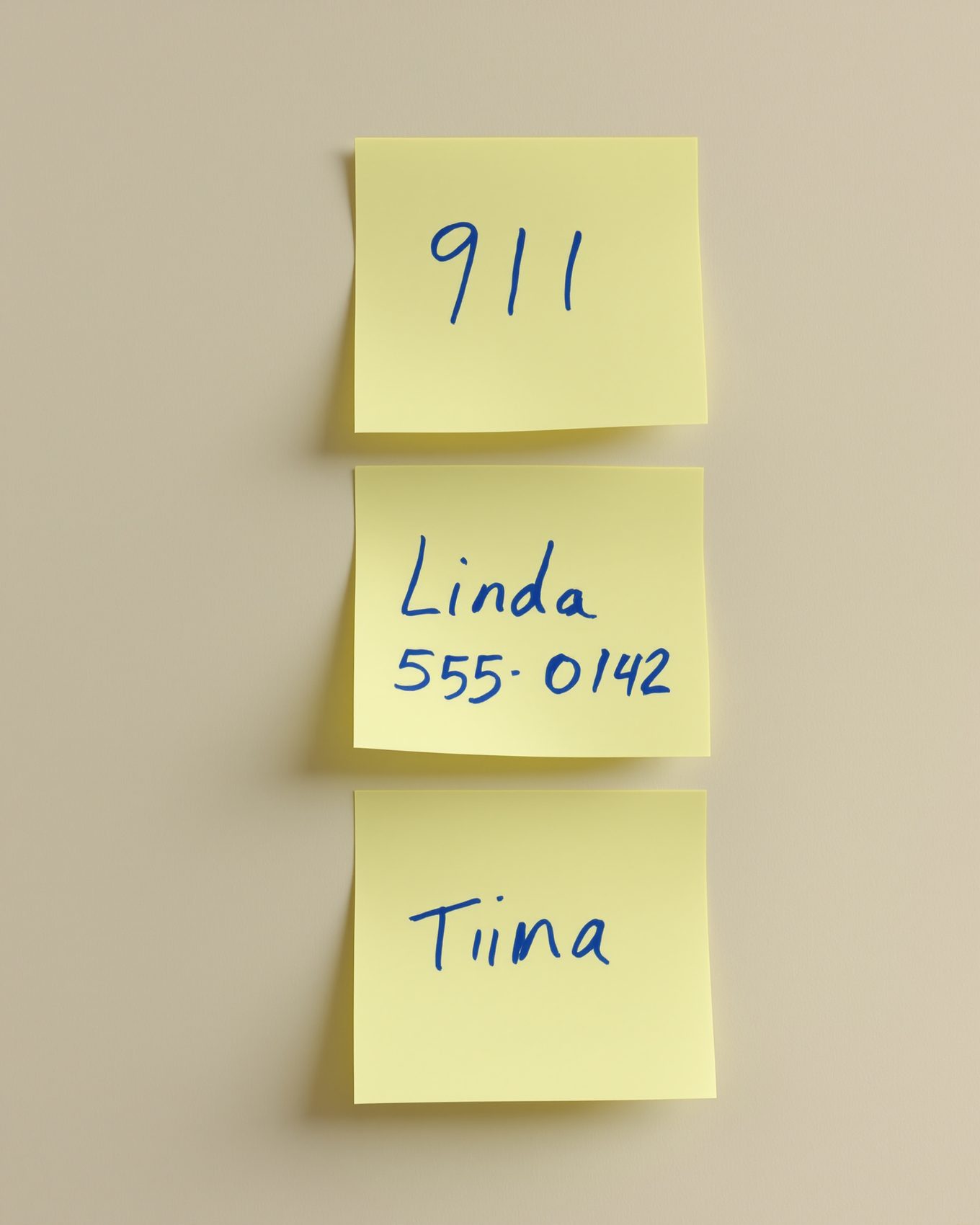
A scammer counts on no one being there to ask. Tiina is — a companion on the phone who'll talk through any "urgent" call, calmly, before your parent does anything they can't undo.
Phone scams targeting seniors: frequently asked questions
The text we built Tiina to earn is some version of "I figured out the bill myself." That's the whole product. Not a notification. A text from your mom or your dad, in their own voice, telling you they handled it.
What this sounds like with Tiina in the room
4:11 PM on a Tuesday. Your mom is at the kitchen table, the phone still in her hand from the Medicare call she just got off. She doesn't call you yet. She opens Tiina and says, "Honey, a woman called saying she was from Medicare and asked me to read her my card number. I didn't, but it shook me. Was that a scam?" Tiina listens. Reads the script back to her — that's the Medicare card replacement scam, here's what they were after. Tells her how to confirm her real Medicare number is fine: call 1-800-MEDICARE on the back of the card. Doesn't tell her she was stupid for almost picking up. Doesn't make it bigger than it is. Your mom calls Medicare. Her account is fine. She makes a cup of tea.
After the weird call, Mom opens Tiina before she opens her wallet.
The IRS, the grandson in jail, the Medicare "verification" — none of them survive 30 seconds of her saying the story out loud to someone who isn't in a hurry. That's the whole defense.
Start Mom's free trial →Methodology & editorial policy
Reviewed and updated May 9, 2026 by the Tiina Editorial Team. Re-checked monthly. We track the FTC's monthly Consumer Sentinel reports and AARP Fraud Watch alerts; this article is updated when a new pattern enters the federal caseload or an existing one shifts in volume.
About composite scenarios. Margaret of Akron and Bernard are composites, drawn from scam patterns documented in the public sources below. Sample conversations and text-message screens are scripted illustrations; the audio clips are dramatized scenarios recorded in Tiina's real voice, not recordings of customer calls. The seven scripts, red flags, and stop lines are not composite; each is documented in the same sources.
About Tiina. Tiina is a voice-first AI companion for older adults — an app for iPhone and iPad that your parent opens to talk through a call that doesn't feel right. We are not a financial advisor, attorney, or law-enforcement agency.
Sharing. Quote freely with a link back to this page. For full reprints, email hello@tiina.ai.
Sources. 12 references — FTC Sentinel, AARP, DOJ, CMS, SSA OIG, IRS, FBI/IC3, FCC, FBI virtual-kidnapping PSA.View all
- FTC Consumer Sentinel Network — Data Book 2024. ftc.gov
- DOJ Elder Justice Initiative — federal enforcement & victim resources. justice.gov/elderjustice
- CMS — Protecting Yourself & Medicare from Fraud (Scam #1 source). medicare.gov
- SSA Office of the Inspector General — Scam alerts (Scam #2 source). oig.ssa.gov/scam
- IRS — Tax Scams / Consumer Alerts. irs.gov/newsroom/tax-scams-consumer-alerts
- FTC Consumer Alert — Scammers use AI to enhance their family emergency schemes (Mar 2023). consumer.ftc.gov
- FBI Internet Crime Complaint Center — 2024 Internet Crime Report, elder-fraud section. ic3.gov
- FTC — How To Avoid Tech Support Scams. consumer.ftc.gov/articles/how-avoid-tech-support-scams
- FTC — Romance Scams. consumer.ftc.gov/articles/what-you-need-know-about-romance-scams
- FCC — STIR/SHAKEN call-authentication framework. fcc.gov/call-authentication
- FBI Public Service Announcement — virtual kidnapping schemes (PSA I-082417-PSA, reissued through 2025). fbi.gov/news/press-releases
- AARP Fraud Watch Network — scam alerts & helpline 877-908-3360. aarp.org/money/scams-fraud