Dressing Aids for Seniors: Sock Aids, Button Hooks and Easier Clothes
The small tools and clothing swaps that let an aging parent get dressed on their own, and how to tell which ones they need.
Some links below are affiliate links: if you buy through them, Tiina may earn a small commission at no extra cost to you. As an Amazon Associate I earn from qualifying purchases.
If your parent struggles to reach their feet, a sock aid and a long shoehorn mean no more bending to the floor. If buttons are the problem, a button hook with a zipper pull costs about $7 (October 2026). A dressing stick helps with pants and jackets. For bigger struggles, switch to easier clothes and ask the doctor about occupational therapy.
Three dressing aids worth buying
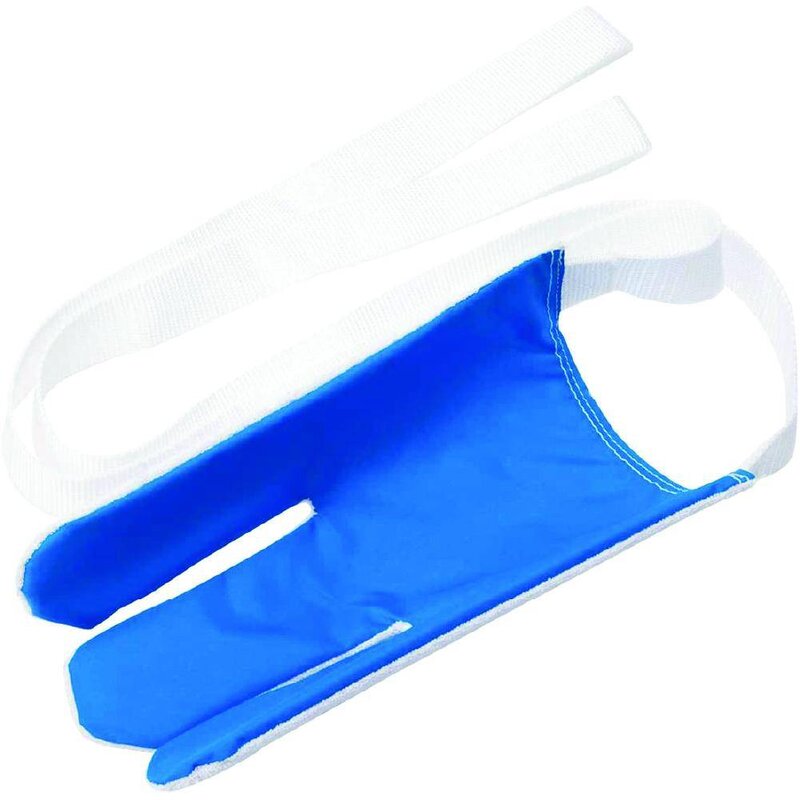
Carex Sock Aid
A soft terry-cloth sleeve that grips the sock without snagging it, with large loop handles that take very little grip to pull. It works with ankle, crew, knee-length and dress socks, and it's one size fits all.
Watch for: Very tight compression stockings may need a firmer plastic sock aid. Expect a few practice tries before it feels natural.
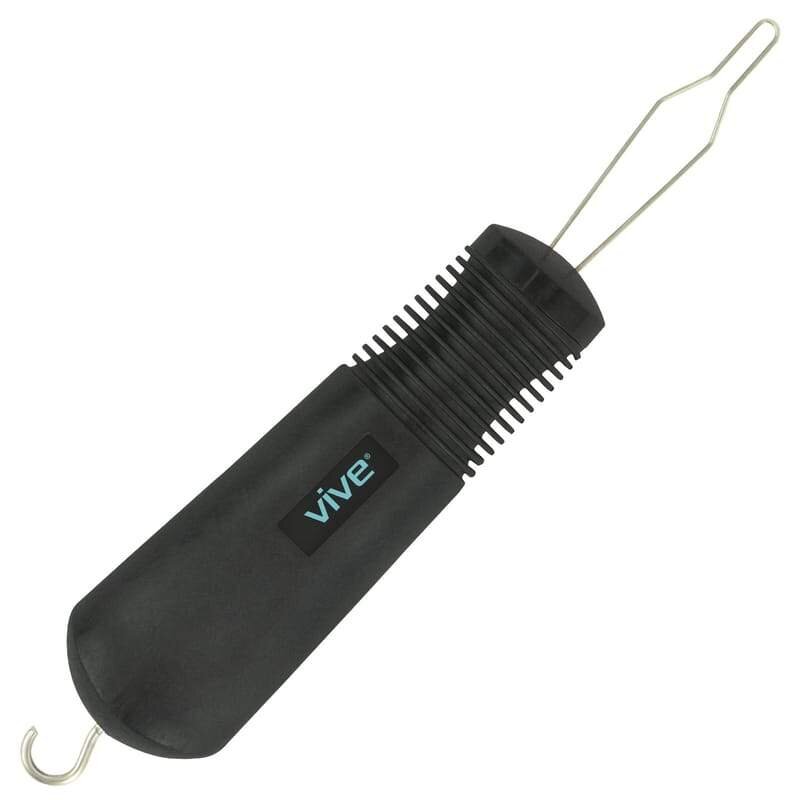
Vive Button Hook with Zipper Pull
A wide, textured handle with a slim steel loop that slides through buttonholes without catching fabric, and a narrow zipper hook on the other end. It handles any size button, including cuffs and jeans, and works one-handed.
Watch for: The handle is 7.5 inches long, which suits most hands. For severe arthritis, ask an occupational therapist whether a thicker built-up handle would be easier.
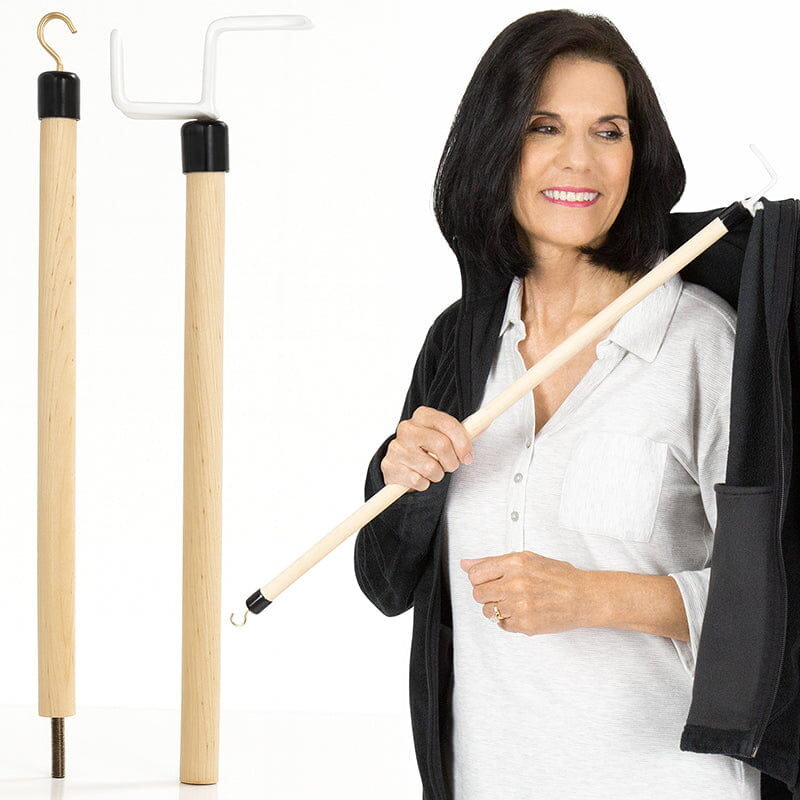
Vive Dressing Stick
A 27-inch birch rod with a vinyl-coated hook that grips fabric without snagging, plus a metal zipper pull. It pulls up pants, pushes off jackets and slides off socks without bending. It twists apart into two pieces for storage.
Watch for: It takes some coordination, so it's less useful for a parent with significant tremor or memory loss.
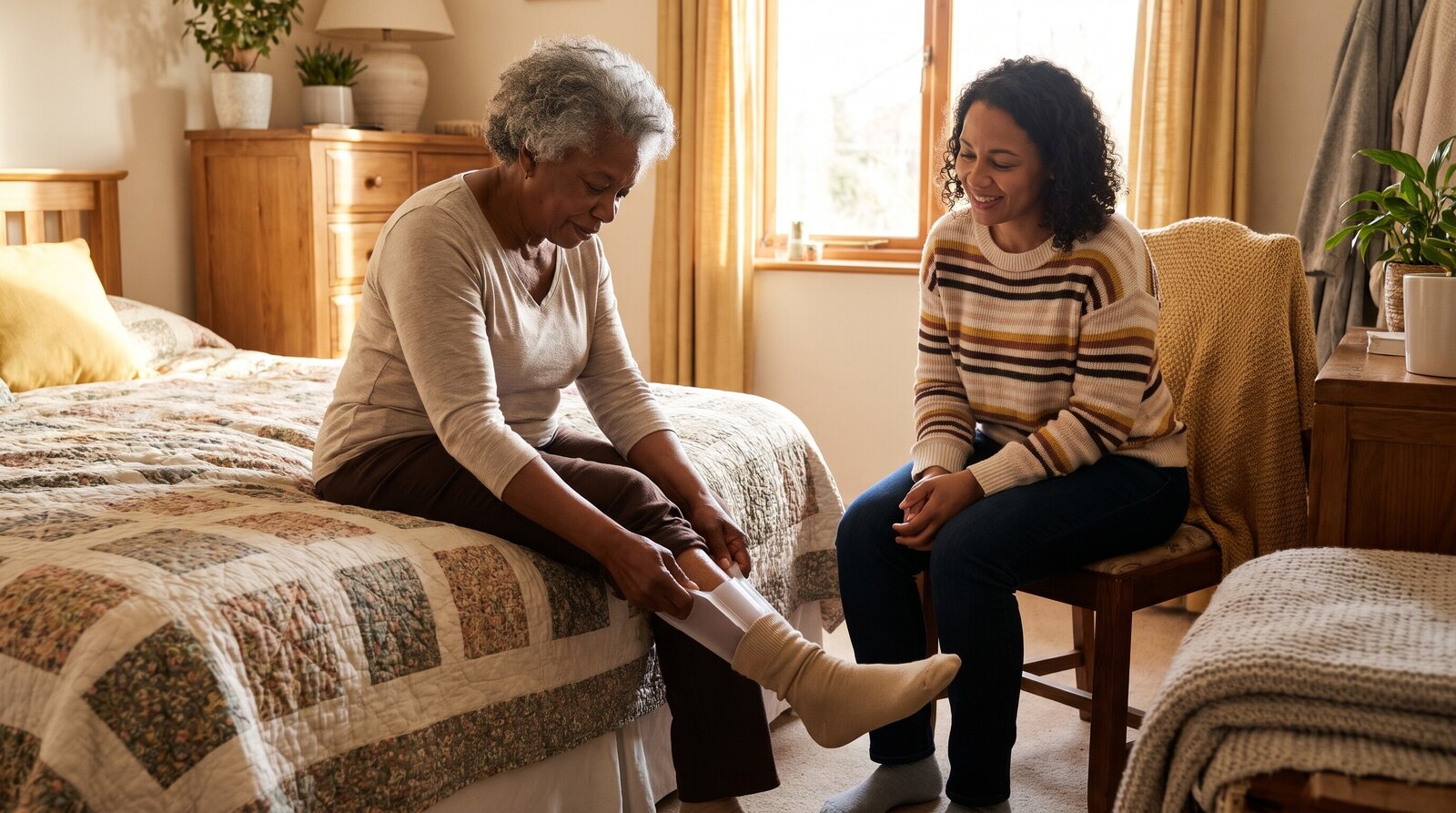
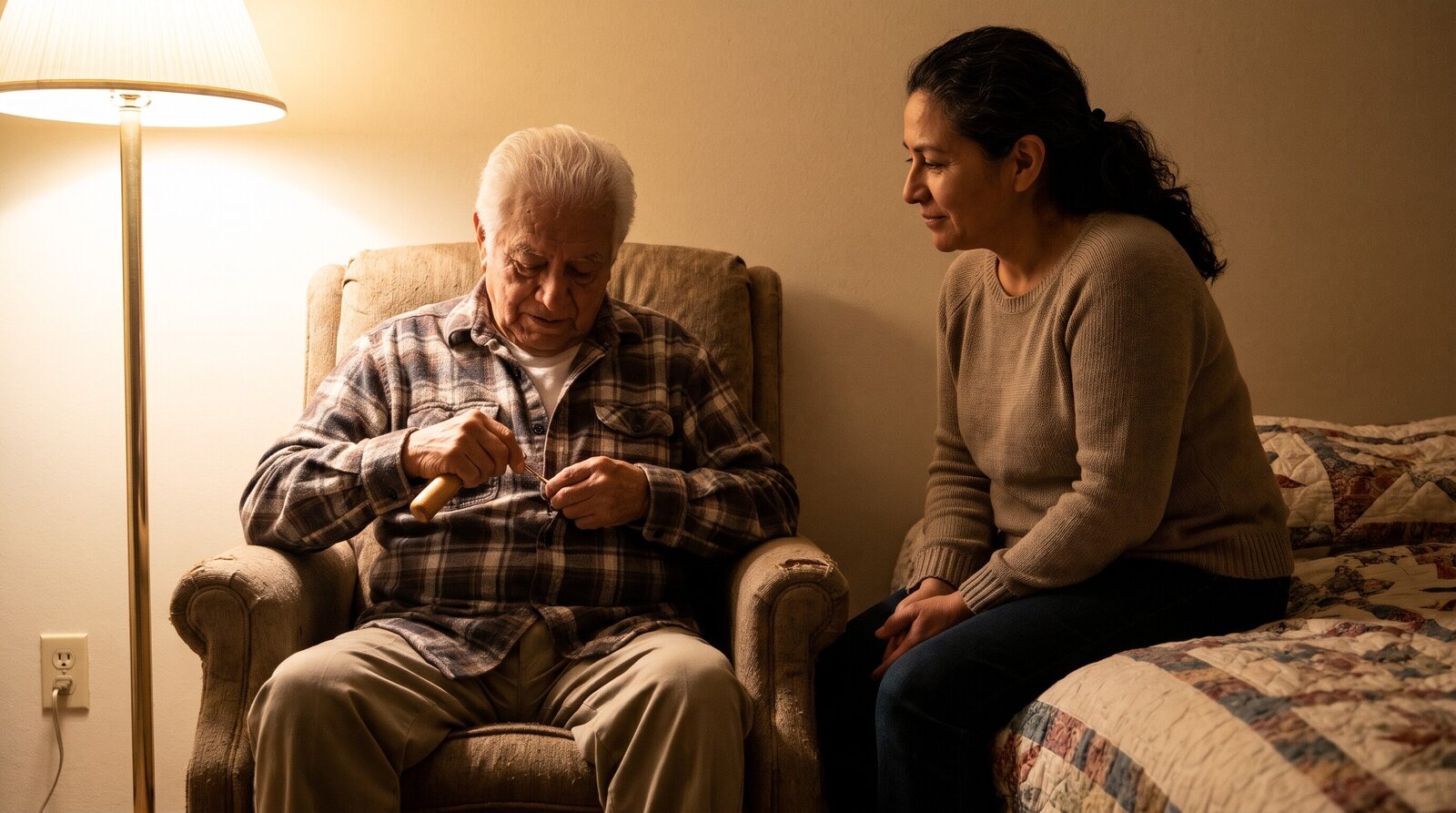
Getting dressed used to take your mom five minutes. Now she sits on the edge of the bed holding a sock, catching her breath before she tries again. Or your dad wears the same pullover every day because the buttons on his good shirts take forever and he won't ask for help. Nobody wants a grown child putting on their socks. Dressing is one of the most private parts of the day, and losing it hits hard. The good news is that a handful of tools costing about $55 in total can give most of it back.
Figure out which part of dressing is hard
Dressing aids solve specific problems, so start by watching, or asking, which step is the struggle. It's usually one of these:
- Reaching the feet. Stiff hips, knees or back, or a recent hip or knee surgery, make socks and shoes the hardest part.
- Small fastenings. Arthritis, Parkinson's, a stroke or numb fingertips make buttons, zippers and hooks slow or impossible.
- Arms overhead or behind the back. Shoulder pain turns pullovers, bras and jackets into a wrestling match.
- Balance. Standing on one leg to step into pants is a fall waiting to happen. Your parent should sit down to dress, on a firm chair or the edge of the bed.
Set up the room before you buy anything
Put a firm chair with arms where your parent dresses, so they can sit down and push up to stand. Move everyday clothes to drawers and shelves between waist and shoulder height, so nothing lives on the floor of the closet or the top shelf. Lay out tomorrow's clothes the night before. And keep the light good: it's hard to find a buttonhole in a dim bedroom. Those changes cost almost nothing and often solve half the problem before a single gadget arrives.
Sock aids and long shoehorns: no more bending to the floor
A sock aid is a flexible sleeve with long cords or straps. Your parent slides the sock over the sleeve, drops it to the floor, points their toes into it and pulls the cords. The sock comes up over the foot and the sleeve slides out. Terry-cloth versions are soft and easy on regular socks. Firmer plastic shells give more support for snug socks, and many work with compression stockings, which are the hardest of all to get on.
It takes three or four tries to get the hang of it, so practice together with a loose sock first. Then add a long shoehorn. A 23-inch one like the Vive folding shoehorn lets your parent slide into shoes while sitting or standing upright.
Shoes matter too. The National Institute on Aging warns that backless shoes and slippers raise the risk of falling, so don't solve the shoe problem with slides. Swap regular laces for elastic no-tie laces instead, or choose supportive shoes with hook-and-loop straps. The rest of the house matters as much as the closet, and these nine fall-prevention fixes are a good place to start.

Laying out tomorrow's clothes the night before is the step that gets skipped. With notifications on, your parent can ask Tiina for a reminder at bedtime, and in the morning they can tap Call Tiina for a conversation while they take their time getting dressed.
Button hooks, zipper pulls and dressing sticks
A button hook has a thick handle and a thin wire loop. Your parent pushes the loop through the buttonhole from the front, catches the button in the loop and pulls it back through. It sounds fiddly, but it takes the pinching out of buttoning, and it works one-handed. Most come with a small hook on the other end for zippers. Cuff buttons are easier with one, too.
Zipper pulls are fabric or rubber loops that clip onto the tab of a jacket or bag zipper, so your parent can hook a finger through instead of pinching a tiny tab. They cost a few dollars for a pack of ten.
A dressing stick is a long wooden rod with a coated hook at one end. It pulls pants up from the ankles, pushes a jacket off the shoulders, and reaches a sock off the foot at bedtime. It's especially useful after hip surgery, when bending forward is off limits for a while.
Clothes that make dressing easier
Sometimes the best dressing aid is a different shirt. The Alzheimer's Association suggests front-opening cardigans and shirts instead of pullovers, Velcro in place of buttons, snaps or zippers, loose fits at the waist and hips, and soft, stretchy fabrics. That advice works for anyone with stiff hands or shoulders, not only for dementia.
Adaptive clothing brands go further. Silverts sells shirts with magnetic buttons, easy-on pants and clothing designed for dementia care. Zappos Adaptive collects easy-on and hands-free shoes in one place. Magnetic closures sit right on the chest, and strong magnets can switch some pacemakers and implanted defibrillators into a special mode, so if your parent has one, ask the cardiologist before buying.
When dementia is part of the picture
If your parent has memory loss, the problem may be the steps, not the hands. The Alzheimer's Association's dressing tips are simple and they work: keep the closet sparse, offer two outfit choices instead of a full closet, lay clothes out in the order they go on, and hand over one item at a time with a short instruction like "Put your arm in this sleeve." Allow plenty of time. Rushing makes it worse.
If your parent wants to wear the same outfit every day, buy two or three of it. It's an easy win that saves a daily argument. For more on the daily routine, read how to help an elderly parent with memory loss.
Bring in an occupational therapist
If dressing has become a daily struggle, ask your parent's doctor for an occupational therapy referral. Medicare Part B covers occupational therapy to help with daily activities like dressing and bathing when a doctor certifies the need. A therapist will watch your parent dress, find the exact step that's hard, and teach techniques and tools that fit their body, which beats guessing online.
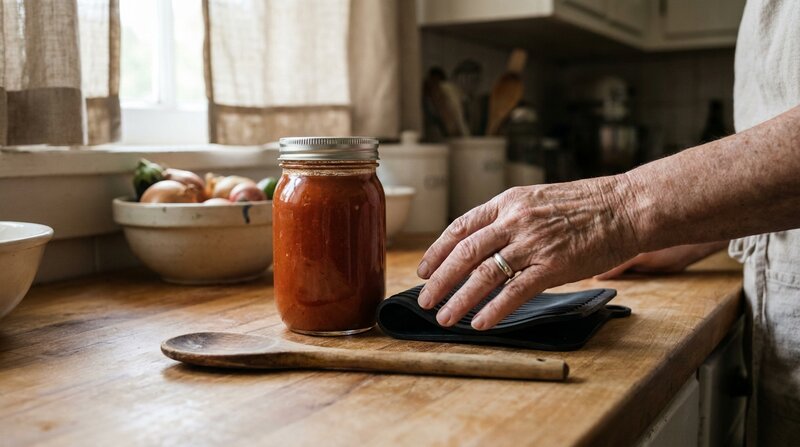
The same small-tool approach works in the kitchen. If jars are the next battle, here's how to choose a jar opener for weak hands.
- A sock aid with long loop handles
- A long shoehorn, about 23 inches
- A button hook with a zipper pull on the other end
- A dressing stick for pants and jackets
- Elastic no-tie shoelaces for their everyday shoes
- A firm chair with arms in the bedroom, so dressing happens sitting down
Dad buttons his own shirt, then has someone to talk to over coffee.
A button hook and a long shoehorn give him the morning back, on his own terms and behind a closed door. Then he taps Call Tiina and talks about whatever he likes, in his own words, with someone patient who never hurries him.
Try Tiina with Dad →Frequently Asked Questions
Methodology & editorial policy
Reviewed and updated October 31, 2026 by the Tiina Editorial Team. Facts, programs and prices in this guide come from the sources listed below.
About composite scenarios. The opening scene is a composite.
About Tiina. Tiina is a voice-first AI companion for older adults: an app for iPhone and iPad that your parent opens whenever they want someone to talk to, day or night.
Sharing. Quote freely with a link back to this page. For full reprints, email hello@tiina.ai.
Sources. 10 references: Medicare.gov, Alzheimer's Association, National Institute on Aging, Current Cardiology Reports (PubMed Central), Silverts, Zappos, Carex, Vive Health.View all
- Medicare.gov. Occupational therapy services. medicare.gov
- Alzheimer's Association. Dressing and Grooming. alz.org
- National Institute on Aging. Falls and Fractures in Older Adults: Causes and Prevention. nia.nih.gov
- Current Cardiology Reports (PubMed Central). Interference by Modern Smartphones and Accessories with Cardiac Pacemakers and Defibrillators. pmc.ncbi.nlm.nih.gov
- Silverts. Adaptive clothing. amazon.com
- Zappos. Zappos Adaptive. zappos.com
- Carex. Carex Sock Aid. amazon.com
- Vive Health. Button Hook. vivehealth.com
- Vive Health. Dressing Stick. vivehealth.com
- Vive Health. 23-inch Shoe Horn with Sock Remover. vivehealth.com