Resentment Caring for an Elderly Parent: Why It Happens and What Helps
Resenting the parent you love doesn't make you a bad person. It usually means something in the arrangement has to change.
Some links below are affiliate links: if you buy through them, Tiina may earn a small commission at no extra cost to you. As an Amazon Associate I earn from qualifying purchases.
Caregiver resentment is common, especially when one person carries most of the work, nobody seems to notice, and your own life keeps shrinking. It doesn't mean you don't love your parent. Treat it as a signal: name what feels unfair, hand off one whole job, set one limit with your parent, and get regular breaks through respite care or a caregiver support group.
We're not doctors or therapists. If resentment has turned into hopelessness, you can't sleep or eat, or you're having thoughts of hurting yourself or your parent, call or text 988 any time for the Suicide and Crisis Lifeline. If anyone is in immediate danger, call 911.
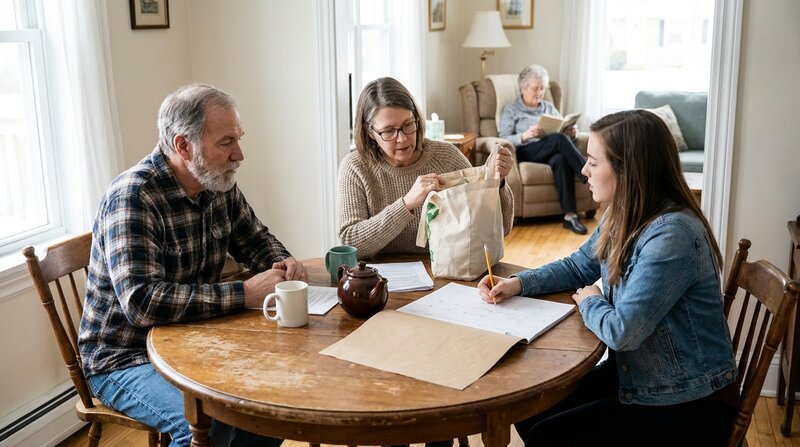
You're in the pharmacy line on your lunch break for the third time this week. Your brother posts photos from the beach. Your mom calls to say the new aide put the cups in the wrong cabinet, and something hot and ugly rises in your chest. Then the guilt arrives right behind it: what kind of person resents their own mother? A normal one, it turns out. Resentment is one of the most common feelings in caregiving and one of the least talked about. It isn't a verdict on your love. It's information.
Why resentment builds
The Family Caregiver Alliance puts it plainly: when you're in a situation you didn't choose, resentment is not uncommon. It's most likely when siblings aren't helping, when you became the caregiver by default and when you feel unappreciated. Feeling like you have to do it all, by yourself, "is a guaranteed way to feel resentment."
There are other common triggers too:
- Your own life is shrinking: less time with your partner and kids, fewer friends, a career on pause.
- Your parent criticizes the help, or never says thank you.
- Old family history comes back, like a parent who wasn't there for you now needing you to be there for them.
- Your parent could do more for themselves and doesn't, or refuses help from anyone but you.
It doesn't make you a bad caregiver
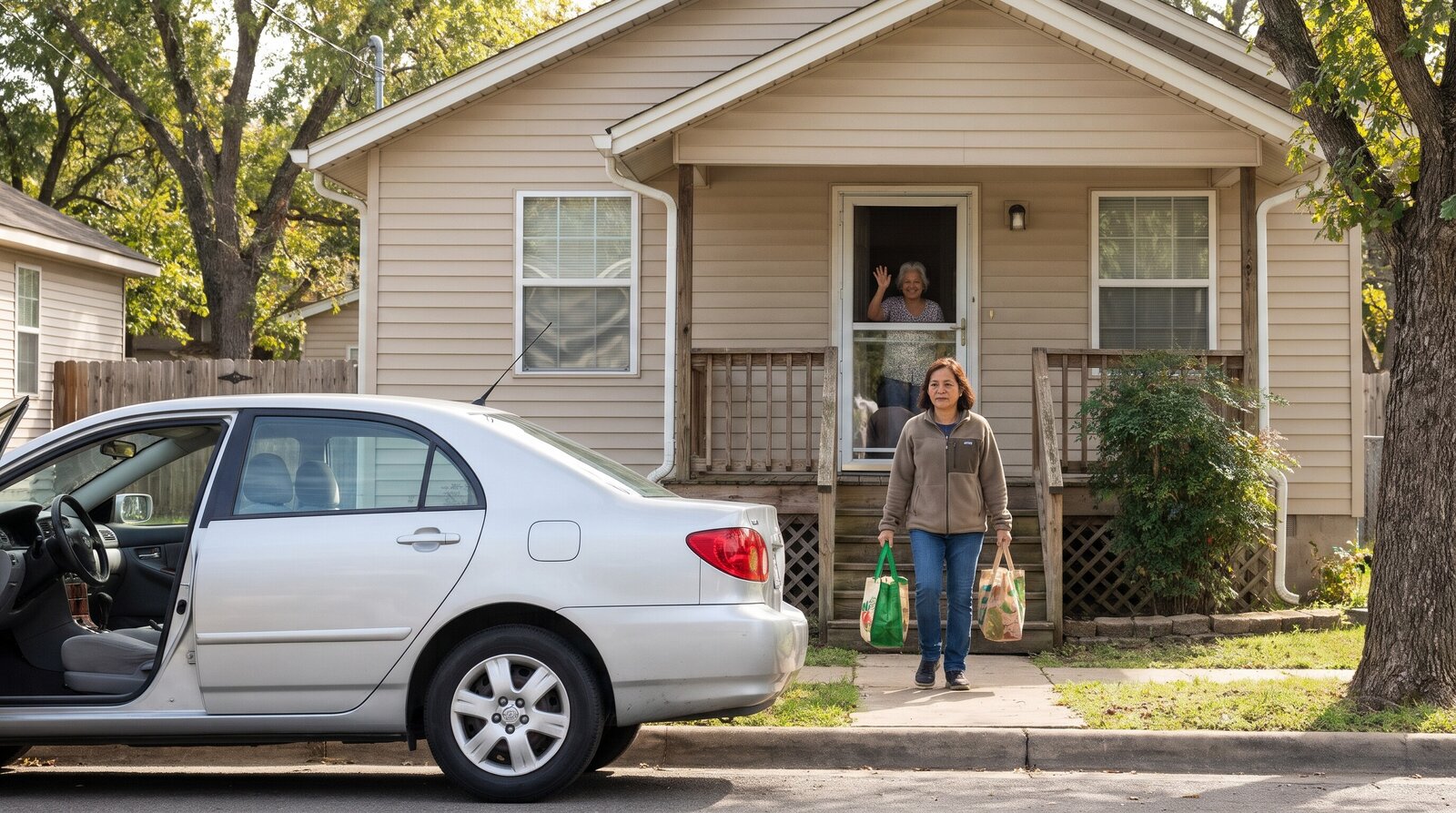
The FCA is clear that all of a caregiver's emotions, good and bad, are allowed and valid. It's common to feel two things at once: wanting to help and wishing you didn't have to. As the FCA puts it, everyone has these feelings sometimes. On good days caregiving can feel like a gift; on bad days you wish it were over. Both are true, and neither lasts forever.
What hurts is pretending you don't feel it. Buried feelings keep tugging at you, and the FCA links ignoring them to poor sleep, illness, stress eating and trouble coping. If guilt is the loudest voice in your head right now, how to stop the caregiver guilt loop is a good next read.
You're also far from alone. AARP's 2025 caregiving report counts 63 million family caregivers in the U.S., about one in four adults.
Find out what it's pointing at
Resentment is usually aimed at something specific. Finish this sentence a few times, on paper, without editing: "It's not fair that..."
Your answers will usually fall into one of three piles. The workload ("I do everything and my sister does nothing") needs a new division of jobs. Your own life ("I haven't seen a friend in two months") needs protected time. The relationship ("She criticizes everything I do") needs a boundary. Each one has a different fix, and trying harder doesn't solve any of them.
Then say the list out loud to one person you trust, or write it in a journal. The FCA suggests both as ways to let off steam, and resentment usually loses some of its heat once it's said.

Between your Tuesdays and Saturdays, your parent can tap Call Tiina and talk for as long as they like, about the garden, the news or a letter they don't understand. She's patient every time, and your daily call stops being the only call.
Change one thing this week
Small, specific changes beat big resolutions. Pick one:
- Hand off a whole job, not a favor. "You own Mom's pharmacy runs and refills from now on" works. "Let me know if you can help sometime" doesn't. Write it on the weekly help sheet so it sticks.
- Say no to one request. Not every errand has to be done today, and not every one has to be done by you.
- Set one limit with your parent. A set time for daily calls, or one evening a week you're unavailable. Say it kindly and keep it.
- Pay for the task you dread most. If personal care is the part you can't stand, the FCA suggests hiring an aide for those tasks so you can save your energy for the rest.
- Put a break on the calendar. Plan it, and who covers for you, on the break sheet in your Survival Guide, then treat it like a doctor's appointment.
- Call a family meeting. If siblings aren't pulling their weight, a structured meeting with an agenda and a list of jobs gets further than resentful texts.
What to actually say
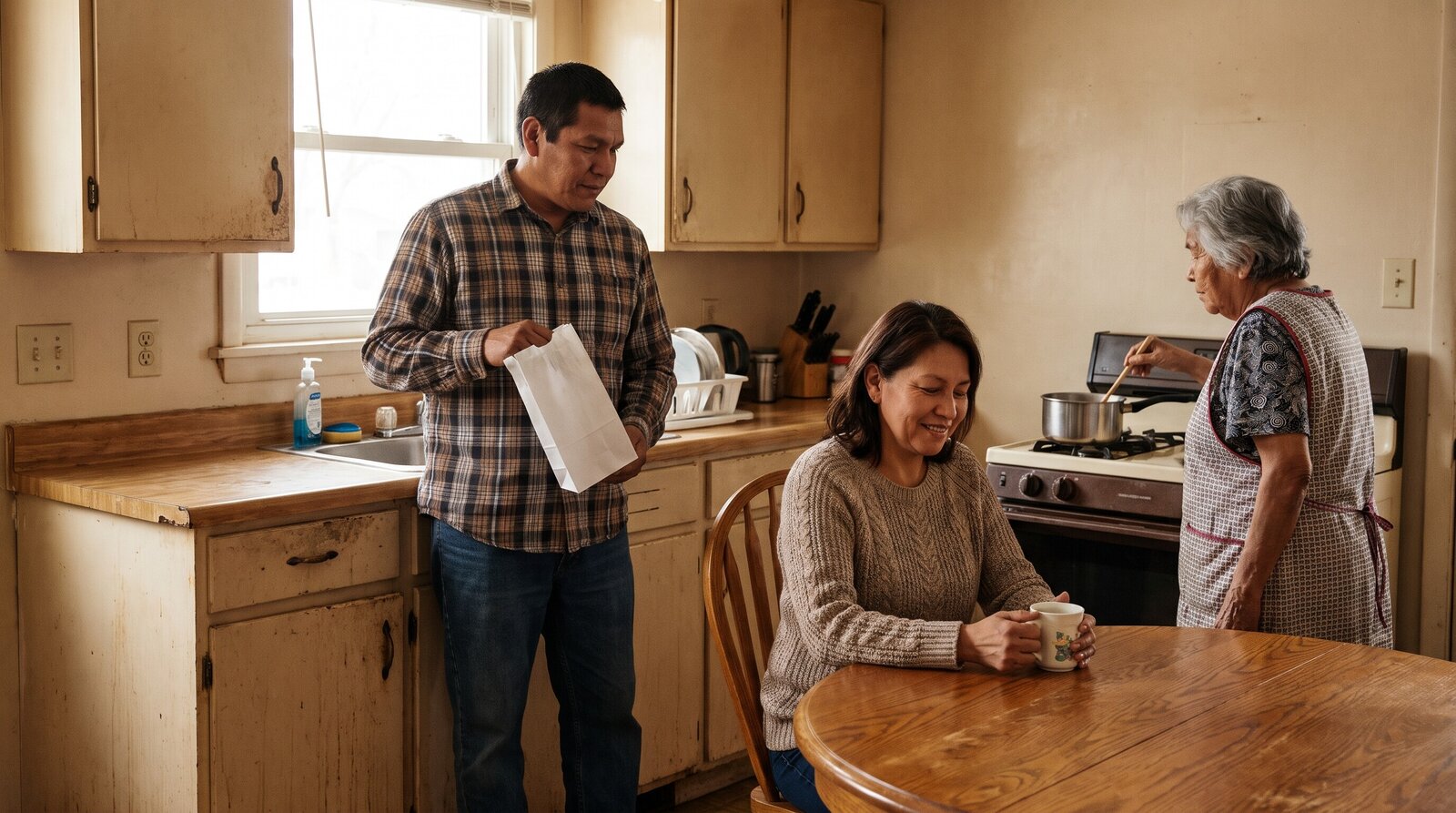
The hardest part is often the first sentence. A few that work:
- To a sibling: "I can't keep doing all of this. I need you to take over the bills and the insurance calls, starting this month. Can you do that, or would you rather pay for an aide two mornings a week?"
- To your parent: "I love you, and I want to keep helping. I can't come every day anymore. I'll be here Tuesdays and Saturdays, and an aide from the agency will come on Thursdays."
- To a friend who asks how you are: "Honestly, I'm worn out. Could you sit with Dad for two hours on Sunday so I can go for a walk?"
- To yourself: "This feeling is telling me something needs to change. It isn't telling me I'm a bad person."
Get support built for caregivers
You don't have to fix this alone, and some of the best help is free.
- Respite care. Short breaks while someone else takes over. The ARCH National Respite Locator lists providers by area, and here's how to actually get a respite break.
- Your local aging agency. Through the federal National Family Caregiver Support Program, your Area Agency on Aging can connect you with counseling, support groups, caregiver training and respite. Find yours through the Eldercare Locator at 1-800-677-1116.
- A support group. A room, or a call, full of people who feel exactly what you feel. Here are five real support groups for caregivers.
- A caregiving expert on the phone. The Caregiver Action Network Help Desk is free at (855) 227-3640.
- A therapist, especially one who works with caregivers or family conflict.
When resentment is a warning sign
Sometimes resentment is the first sign of something bigger. If you're exhausted all the time, snapping at people you love, getting sick more often or dreading every phone call, check yourself against the seven signs of caregiver burnout. If you feel hopeless or can't find pleasure in anything, read where the line is for caregiver depression and talk to your own doctor.
And if you ever feel close to losing control with your parent, step out of the room, call someone, and get help that day. That's not failure. It's exactly what a good caregiver does.
One less job that only you can do, and a little less resentment.
When your parent has someone else to talk to during the day, your calls can go back to being calls and your visits can be visits. What they say to Tiina stays private, with nothing reported back to you.
Try Tiina with Mom →Frequently Asked Questions
Methodology & editorial policy
Reviewed and updated October 31, 2026 by the Tiina Editorial Team. Facts, programs and prices in this guide come from the sources listed below.
About composite scenarios. The opening scene is a composite.
About Tiina. Tiina is a voice-first AI companion for older adults: an app for iPhone and iPad that your parent opens whenever they want someone to talk to, day or night.
Sharing. Quote freely with a link back to this page. For full reprints, email hello@tiina.ai.
Sources. 7 references: Family Caregiver Alliance, AARP, Administration for Community Living, ARCH National Respite Network, Caregiver Action Network, 988 Suicide and Crisis Lifeline.View all
- Family Caregiver Alliance. The Emotional Side of Caregiving. caregiver.org
- AARP. Caregiving in the US 2025. aarp.org
- Administration for Community Living. National Family Caregiver Support Program. acl.gov
- Administration for Community Living. Eldercare Locator. eldercare.acl.gov
- ARCH National Respite Network. National Respite Locator. archrespite.org
- Caregiver Action Network. National Caregiver Help Desk. caregiveraction.org
- 988 Suicide and Crisis Lifeline. 988 Lifeline. 988lifeline.org