When an Elderly Parent Refuses to Bathe: Why It Happens and What Helps
It's rarely stubbornness. Fear of falling, a cold bathroom, low mood, memory changes and plain modesty are the usual reasons, and each one has a fix.
Some links below are affiliate links: if you buy through them, Tiina may earn a small commission at no extra cost to you. As an Amazon Associate I earn from qualifying purchases.
Older parents usually stop bathing because it has become scary, cold, exhausting or embarrassing: fear of falling, low mood, memory changes or not wanting help with something so private. Fix the reason instead of arguing about the bath. Warm the room, add a grab bar and a shower chair, offer choices, and lower the bar. For a parent with dementia, two or three baths a week, with sponge baths between, is a reasonable goal.
We're not doctors. A change in hygiene can be a sign of depression, dementia, pain or another illness, so tell your parent's doctor what you've noticed, especially if it came on quickly. If your parent talks about not wanting to live, call or text 988 any time to reach the Suicide and Crisis Lifeline. If they're in danger right now, call 911.
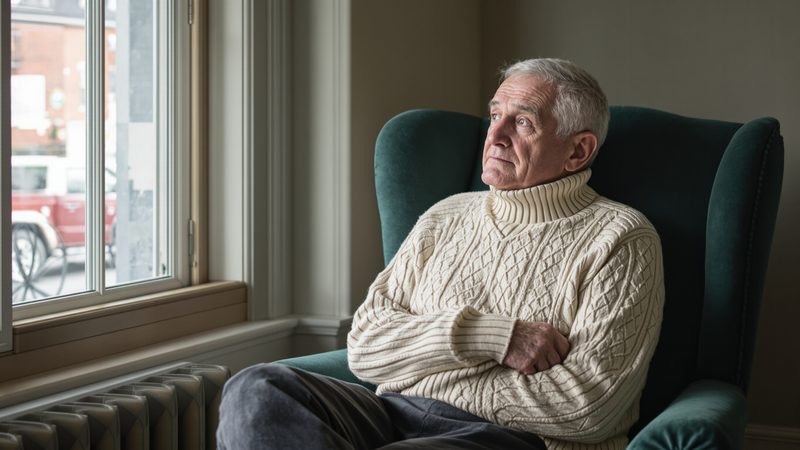
You noticed it at Sunday lunch: the same blouse as last week, hair flat and oily, a smell you didn't want to name. When you gently asked, your mom snapped that she showered this morning. Maybe she believes it. Maybe she's embarrassed. Either way, now you're both upset and nobody is any cleaner. This is one of the most common standoffs in caregiving, and one of the most humiliating for the parent. The good news is that it usually has a reason you can find, and once you find it, the fix is often a warm towel, a chair or a different word.
Why parents stop bathing
Very few people decide to stop washing. Something about the bath or shower has become hard, and saying so out loud feels worse than skipping it. These are the usual reasons:
- Fear of falling. The tub and shower are where CDC researchers found the highest rate of bathroom injuries, and many older adults fear falling even if they never have, according to the National Institute on Aging.
- Cold. Bathing can feel like a cold, uncomfortable experience, and a drafty bathroom plus a wet walk to the towel makes it worse.
- Exhaustion or pain. Standing for ten minutes, raising arms to wash hair or bending to reach feet can hurt.
- Low mood. Depression in older adults often shows up as tiredness, and it's easy to mistake for plain aging, as MedlinePlus notes. Here are the signs of depression in an elderly parent to watch for.
- Memory changes. A parent with dementia may honestly believe they showered, may not notice the need, or may find the water frightening because of changes in depth perception, as the Alzheimer's Association explains.
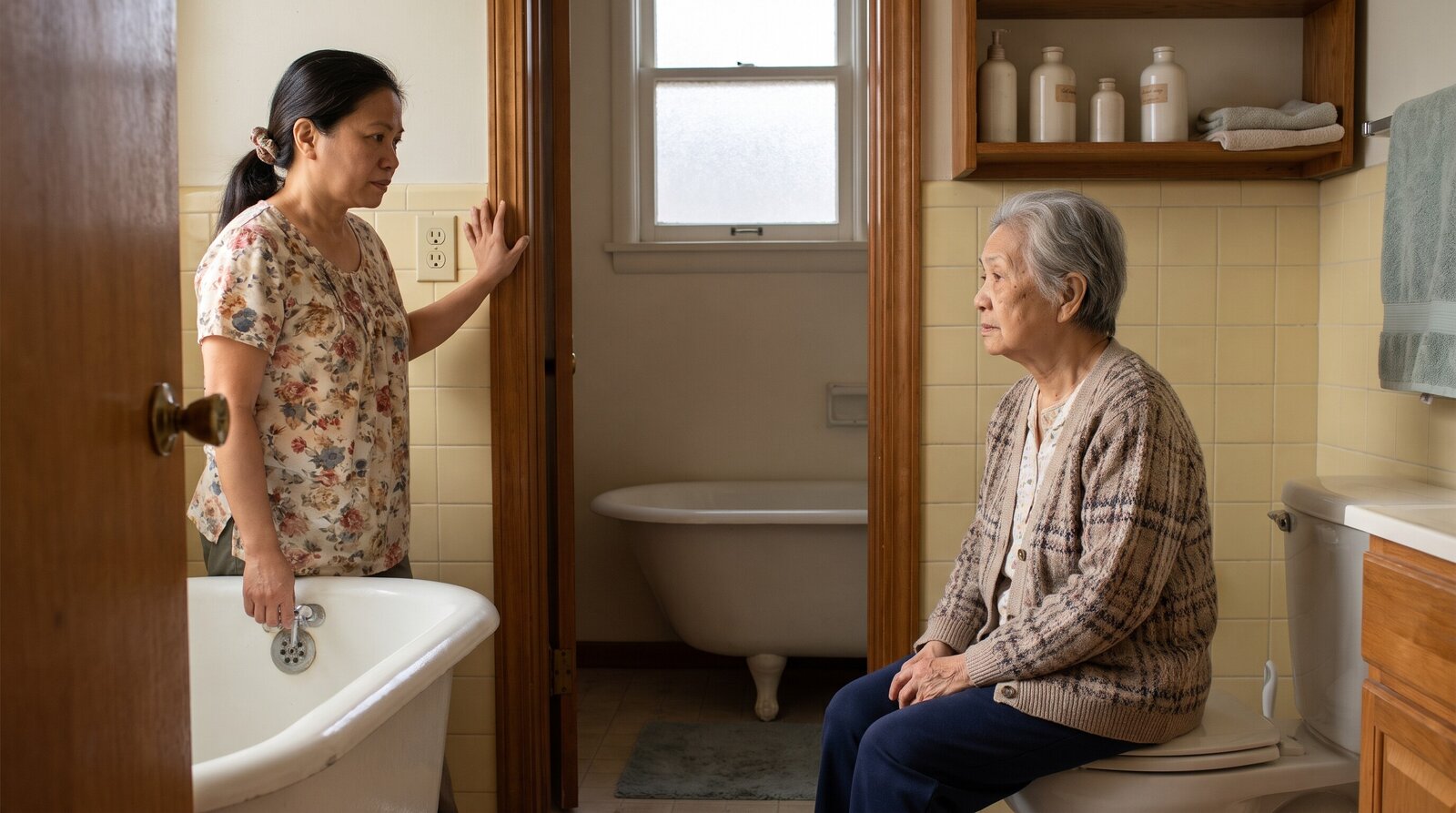
- Modesty. Bathing has been private their whole life. Needing help, especially from their own child, can feel humiliating.
Start with a question, not a correction
Don't argue about whether they showered today. You won't win, and it costs trust. Don't mention smell either, unless you want the door shut for a week.
Instead, ask what's hard about it: "Is the tub getting tricky to climb into?" or "Is the bathroom too cold in the morning?" The answer tells you which fix to try. Then give choices instead of orders. The National Institute on Aging suggests asking, "Do you want to bathe now or in 15 minutes?" or "A bath or a shower?" The Alzheimer's Association suggests "Let's wash up" instead of "Let's take a bath."
Tying it to something your parent looks forward to helps too: a hair appointment, a lunch out, a visit from the grandkids. Our playbook for when an elderly parent refuses help has more ways to turn a fight into a choice.
Make the bathroom safer and warmer
If fear or cold is the reason, this section solves most of it. Do it before you ask again.
- Warm the room before your parent walks in, and have big towels ready that wrap all the way around.
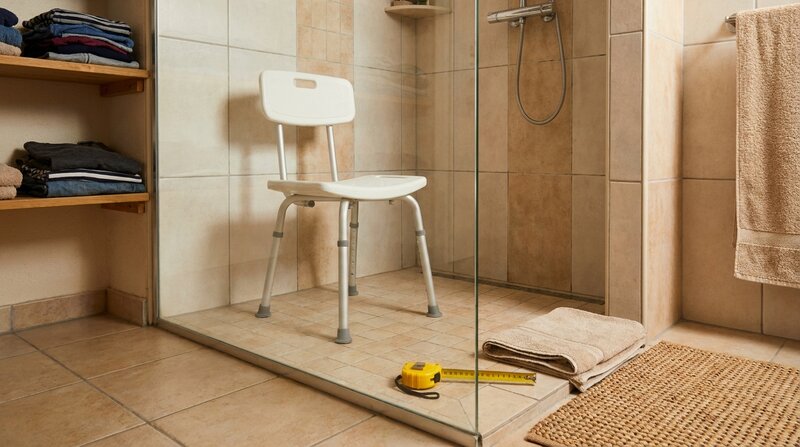
- Put a shower chair or tub bench in, and pad a cold seat with a towel.
- Install grab bars inside and outside the tub or shower, and add a nonskid mat. These are two of the nine fixes in our fall prevention checklist.
- Add a handheld shower head so your parent can sit and rinse without standing under the spray.
- Turn the water heater down to prevent scalding, and check the water temperature every time.
- Skip bath oils, which make the tub slippery.
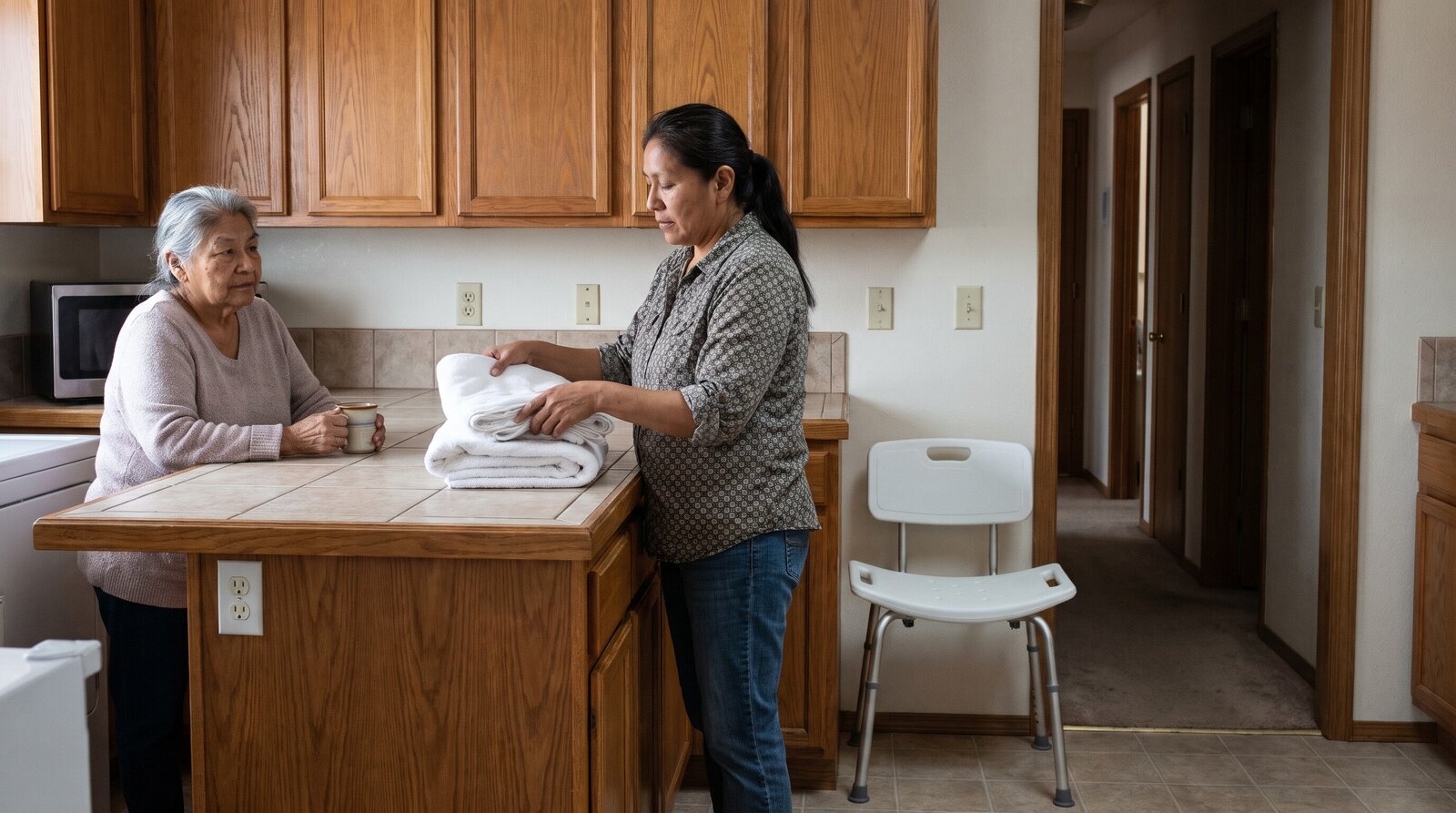

Your parent needs some conversations that have nothing to do with the bath. Tiina talks with them about recipes, old hobbies and whatever they're curious about, privately, and nothing is reported back to you.
Protect their privacy and dignity
If your parent needs help in the bathroom, how you help matters as much as whether they get clean.
Drape a towel over their shoulders or lap and wash underneath it, so they never feel fully exposed. Let them do every part they can, even if it's just holding the washcloth. Start with hands and feet, which feel less personal, before moving to the face, body and hair. Bathe at the same time of day they always have; if Mom was a morning bather, an evening bath may confuse or annoy her. And if your parent would rather a familiar person of the same sex help, take that seriously.
Lower the bar on how often
A daily shower isn't the only way to stay clean. For a parent with dementia, the National Institute on Aging suggests aiming for a bath or shower two or three times a week, with sponge baths of the face, hands, feet, underarms and private areas on the days in between.
No-rinse soap from the pharmacy, used with warm, wet towels, can make those in-between days quicker; the Alzheimer's Association says research shows it works as well when used regularly and thoroughly. Washing hair can be its own day. When you do help, check their skin for rashes and sores, especially if incontinence is part of the picture.
If your parent has dementia
Bathing someone with dementia takes a slower, step-by-step approach. These tips come from the Alzheimer's Association and the National Institute on Aging:
- Coach one step at a time in short phrases: "Put your feet in the tub." "Sit down." "Here's the soap."
- Show instead of tell. Mime washing your own arm, or gently guide their hand with yours.
- Run only 2 to 3 inches of water, or fill the tub after they're seated, and see how they react.
- If they get upset, stop, change the subject, play music they like and try again later.
- Never leave a parent with dementia alone in the tub or shower.
When to bring in help
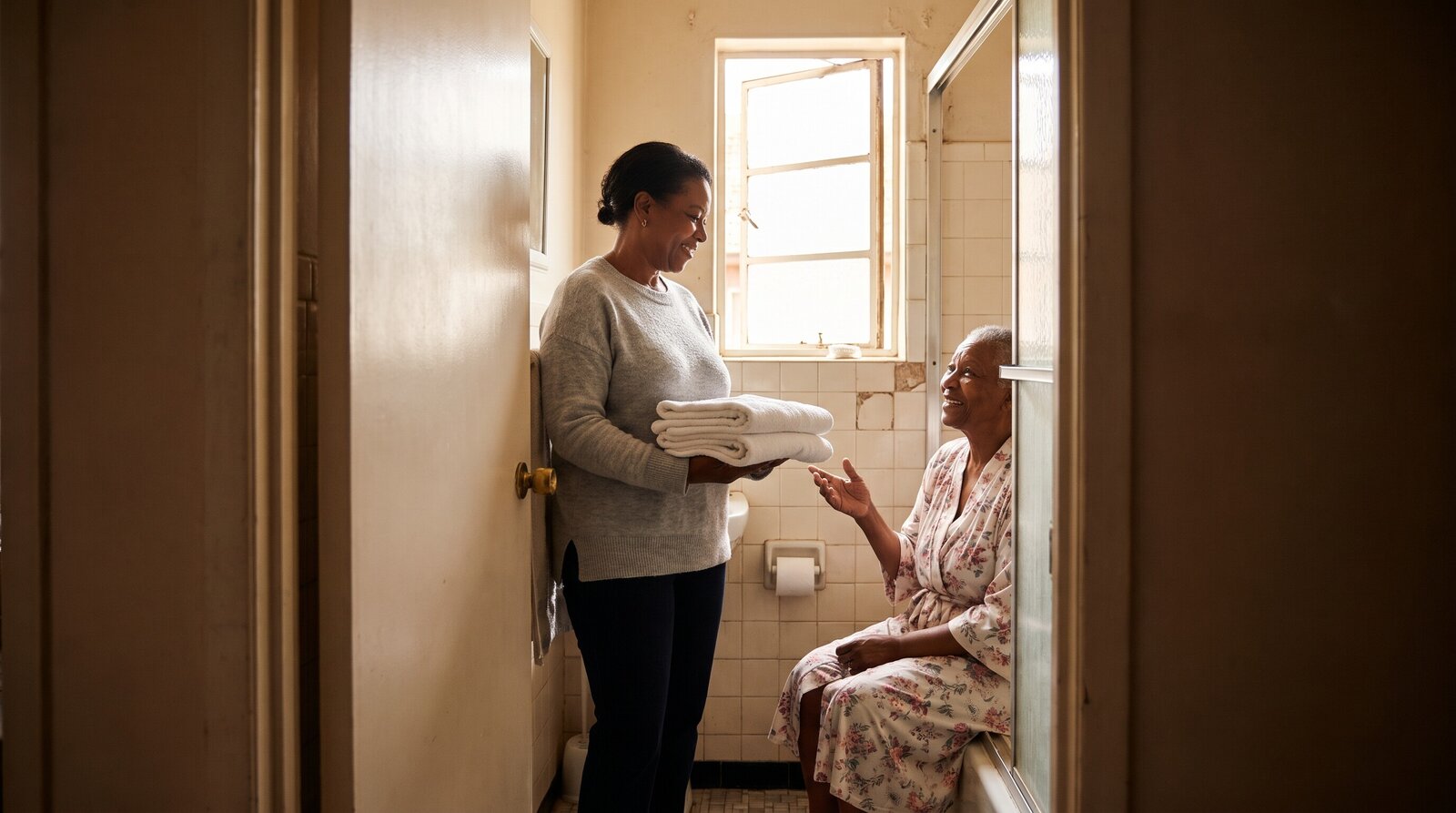
Sometimes the best person to help with a bath isn't you. Some parents accept help from a trained aide more easily than from their own child, because it feels like a service rather than a role reversal. Share the what helps my parent sheet with whoever comes, so they know how your parent likes things done. Home care agencies can send an aide for bathing visits, though some have a minimum shift length, so ask.
Medicare covers a home health aide for bathing only when your parent is also getting skilled care at home, like nursing or physical therapy, and it doesn't pay for bathing help on its own. For other options, your local Area Agency on Aging can tell you about low-cost help nearby; find it through the Eldercare Locator at 1-800-677-1116.
And tell the doctor. If bathing stopped suddenly, or comes with other changes like weight loss, confusion or withdrawal, it's a medical question as much as a hygiene one.
You stop refereeing the shower, and Mom gets her kid back.
Once the bathroom is warm and the shower chair is in, the standoff fades. On the long afternoons between visits, Mom taps Call Tiina and talks about her garden, the old neighborhood or tomorrow's recipe with someone who is patient every single time.
Try Tiina with Mom →Frequently Asked Questions
Methodology & editorial policy
Reviewed and updated October 31, 2026 by the Tiina Editorial Team. Facts, programs and prices in this guide come from the sources listed below.
About composite scenarios. The opening scene is a composite.
About Tiina. Tiina is a voice-first AI companion for older adults: an app for iPhone and iPad that your parent opens whenever they want someone to talk to, day or night.
Sharing. Quote freely with a link back to this page. For full reprints, email hello@tiina.ai.
Sources. 9 references: Alzheimer's Association, National Institute on Aging, Medicare.gov, Administration for Community Living, 988 Suicide and Crisis Lifeline, CDC, Morbidity and Mortality Weekly Report, MedlinePlus.View all
- Alzheimer's Association. Bathing. alz.org
- National Institute on Aging. Alzheimer's Caregiving: Bathing, Dressing, and Grooming. nia.nih.gov
- National Institute on Aging. Falls and Fractures in Older Adults: Causes and Prevention. nia.nih.gov
- National Institute on Aging. Preventing Falls at Home: Room by Room. nia.nih.gov
- Medicare.gov. Home health services. medicare.gov
- Administration for Community Living. Eldercare Locator. eldercare.acl.gov
- 988 Suicide and Crisis Lifeline. 988 Lifeline. 988lifeline.org
- CDC, Morbidity and Mortality Weekly Report. Nonfatal Bathroom Injuries Among Persons Aged 15 Years and Older, United States, 2008. cdc.gov
- MedlinePlus. Depression in older adults. medlineplus.gov