Why Is My Elderly Parent Sleeping So Much? What's Normal and What's Not
Some extra napping is normal with age. Feeling sleepy all day isn't, and it usually has a cause the doctor can find.
Some links below are affiliate links: if you buy through them, Tiina may earn a small commission at no extra cost to you. As an Amazon Associate I earn from qualifying purchases.
Older adults need about the same 7 to 9 hours of sleep as younger adults, but their sleep gets lighter and more broken, so some daytime napping is common. Feeling tired every day is not a normal part of aging. Common causes include medicines, poor sleep at night, sleep apnea, depression, boredom, infection and dementia. A sudden change, especially with confusion, needs a call to the doctor the same day.
We're not doctors. This is general information to help you decide when to call and what to tell the doctor. Call 911 if your parent can't be woken up, or if sleepiness comes with sudden confusion, face drooping, weakness on one side or trouble speaking. Call the doctor the same day for any sudden change in alertness or thinking.
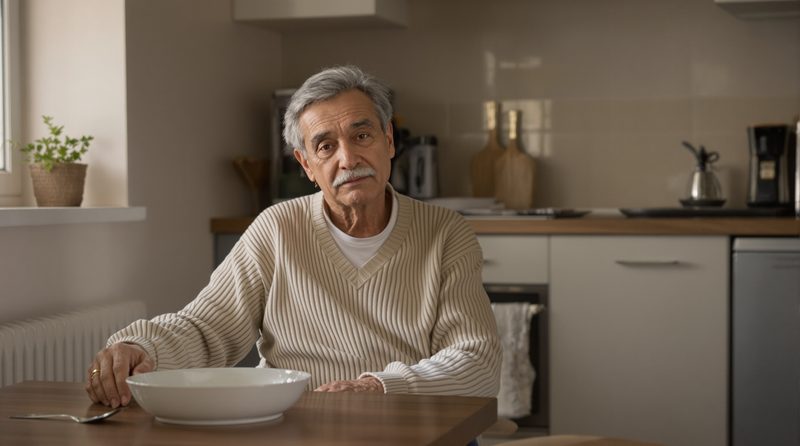
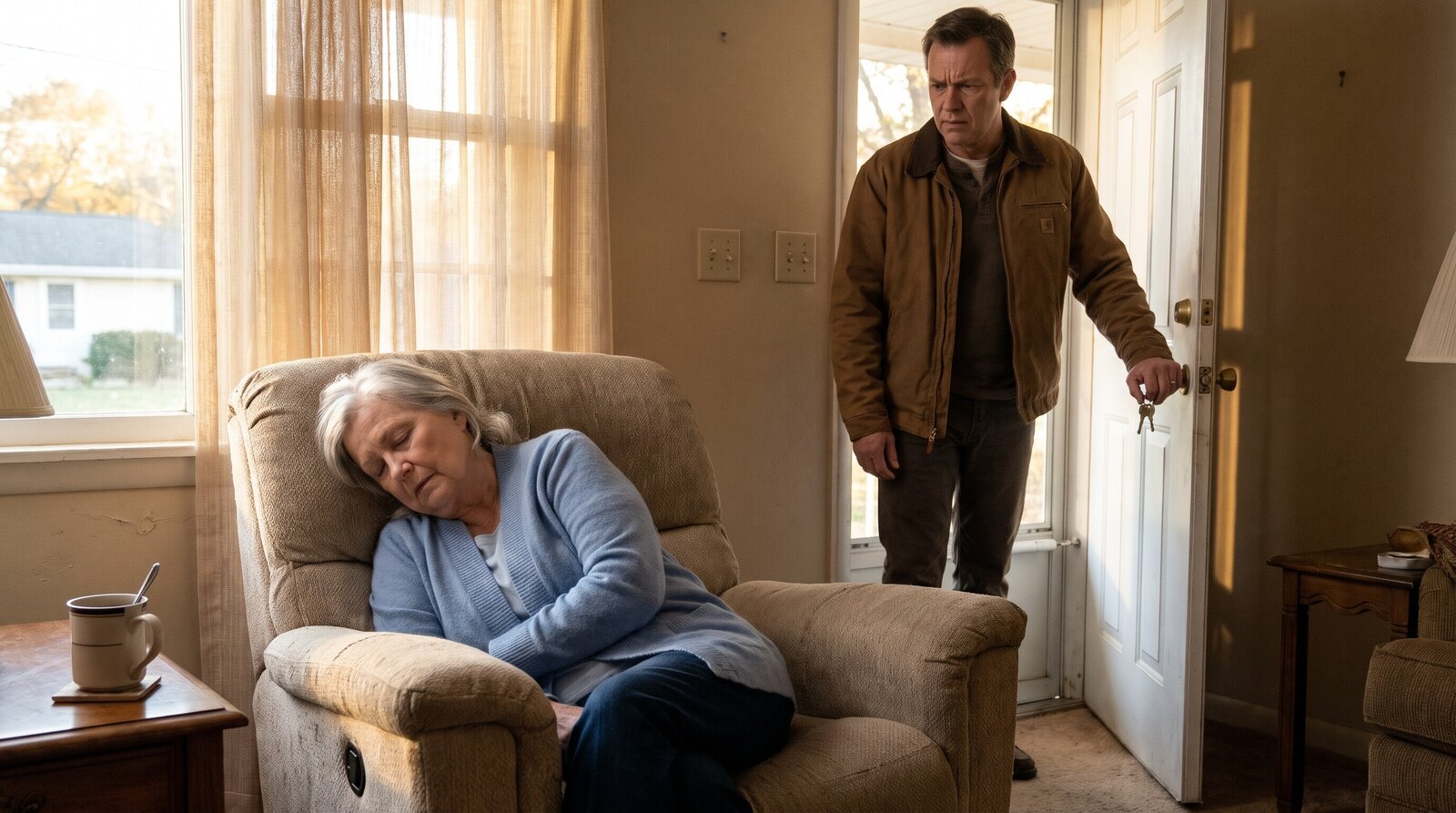
When you call at two in the afternoon, your mom answers groggy. "Just resting my eyes." On your last visit she dozed off twice during the news and once in the middle of your sentence. She says she's fine, just tired, and that's what happens at 84. Maybe. But "old people sleep a lot" covers a lot of ground, from a harmless afternoon nap to a medicine that's too strong to an infection that hasn't shown up anywhere else yet. Here's how to tell the difference, and what to tell the doctor.
What normal sleep looks like at 75 or 85
Older adults need about the same amount of sleep as everyone else, seven to nine hours a night, according to the National Institute on Aging. What changes is the pattern. People tend to go to bed earlier and wake earlier, and their sleep gets shorter and lighter, with more wake-ups during the night.
That lighter night sleep is one reason older adults nap more during the day, the American Academy of Sleep Medicine explains. A short nap after lunch is normal. But the same sleep doctors are clear on the bigger picture: "Sleep patterns change as we age, but disturbed sleep and waking up tired every day are not part of normal aging."
So the question isn't whether your parent naps. It's whether they're sleepy most of the day, falling asleep when they don't mean to, or sleeping noticeably more than they did a few months ago. Compare your parent to themselves a year ago, not to you.
Common reasons a parent sleeps all day
Most of these are treatable, which is why it's worth finding the cause instead of accepting it.
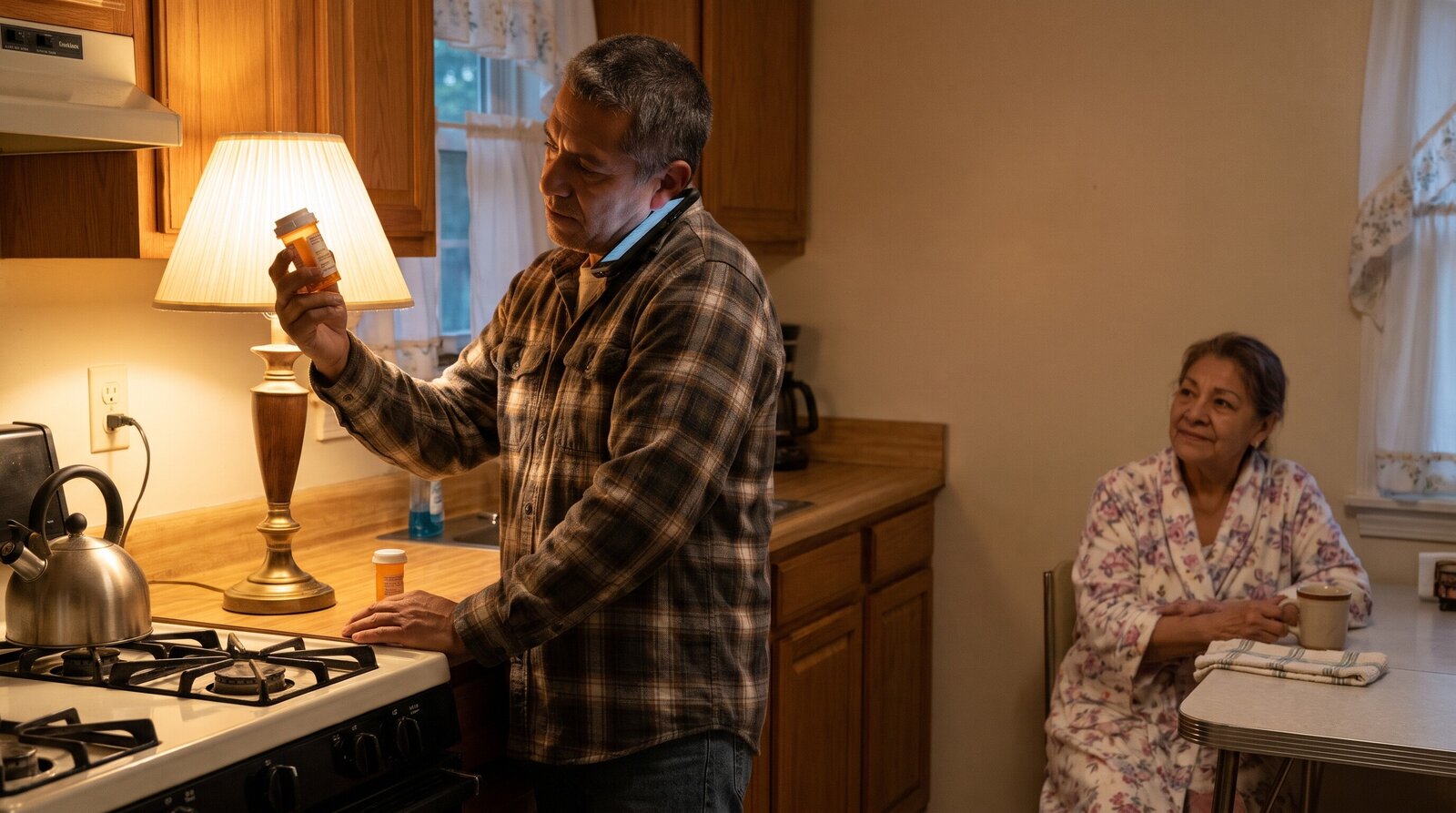
- Medicines. Tranquilizers, sleeping pills, antihistamines, certain painkillers and some psychiatric medicines can all cause drowsiness, according to MedlinePlus. People 65 and older tend to take more medicines than any other age group, the National Institute on Aging notes, and more medicines mean more chances for side effects. Never stop or change one without asking the doctor.
- Bad nights. Pain from arthritis or heartburn, getting up to use the bathroom, heart failure or lung disease can break up the night and leave your parent exhausted by day.
- Sleep apnea. Breathing stops briefly and repeatedly during sleep. Snoring can be a sign, but not everyone who snores has it. NIA warns that untreated sleep apnea can lead to serious problems, including heart attack.
- Depression, boredom and loneliness. These can all make the day feel like one long nap. Our guides to the signs of depression in an elderly parent and loneliness in elderly parents can help you tell them apart.
- Dementia. NIA notes that Alzheimer's and related dementias can cause sleeping too much or not enough, waking often, and wandering at night. If your parent's evenings are hard, read about sundowning.
- Other medical problems. An underactive thyroid, diabetes, chronic pain, or changes in blood sodium or calcium can all cause drowsiness.
- Infection. In older adults, an infection such as a urinary tract infection or pneumonia can cause delirium, which can look like sudden sleepiness and confusion.
Signs that need a call today
Gradual, mild sleepiness can wait for a regular appointment. These can't:
- Your parent can't be woken, or is very hard to wake. Call 911.
- Sleepiness with sudden confusion, face drooping, weakness on one side or trouble speaking. These are stroke warning signs. Call 911.
- A sudden change over hours or days, like being sharp on Sunday and foggy and drowsy by Tuesday. MedlinePlus says to contact the doctor for any rapid change in mental state. Sudden confusion with drowsiness can be delirium, which is often caused by an infection or a medicine and usually improves once the cause is treated.
- Sleepiness that started after a new medicine or a dose change. Call the doctor or pharmacist the same day.

If the doctor finds nothing to treat, the next question is what fills the day. Tiina gives your parent someone to talk with after lunch: a recipe to plan, a question they've wondered about for years, a hobby to pick back up.
What to track before the appointment
NIA suggests keeping a sleep diary for a couple of weeks: when your parent goes to bed, when they wake in the night, when they get up for the day, and whether they had caffeine, alcohol or exercise. Add naps, snoring and any pauses in breathing a family member notices.
Bring a full, current medication list, including over-the-counter sleep aids and allergy pills. MedlinePlus says the doctor will likely ask how well and how long your parent sleeps, whether they snore, whether they fall asleep without meaning to during TV or reading, whether they feel depressed, anxious or bored, and what medicines they take. Blood tests for thyroid, sugar and minerals, or an overnight sleep study, may come next.
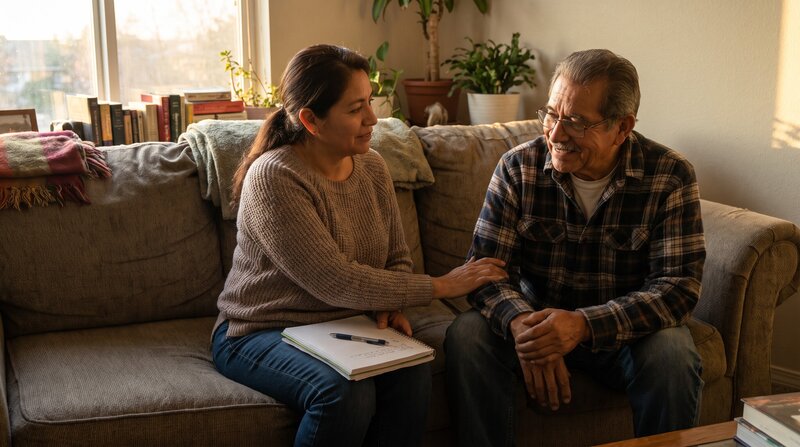
If you live far away, ask your parent to jot naps on a paper calendar by the phone, or ask a neighbor, friend or aide who sees them most days what they've noticed. Two weeks of honest notes tells the doctor more than any single visit. For a sudden change, use the health changes sheet in your Survival Guide when you call the clinic.
What families can do at home
Once the doctor has ruled out a medical cause, the day itself is often the fix.
- Daylight. Older adults who spend less time outdoors get less sunlight, which can upset the sleep cycle. A morning walk or coffee by a sunny window helps.
- A reason to be up. A standing lunch, a class, a phone call at the same time each day. Here are 12 social activities for seniors that work.
- Shorter naps, earlier. Frequent daytime napping makes night sleep harder. A short nap after lunch beats a long one at 5 p.m.
- Less caffeine and alcohol late in the day, both of which can keep people from falling or staying asleep.
- No new sleep aids without the doctor. NIA cautions that sleep medicines carry risks, including feeling foggy the next day.
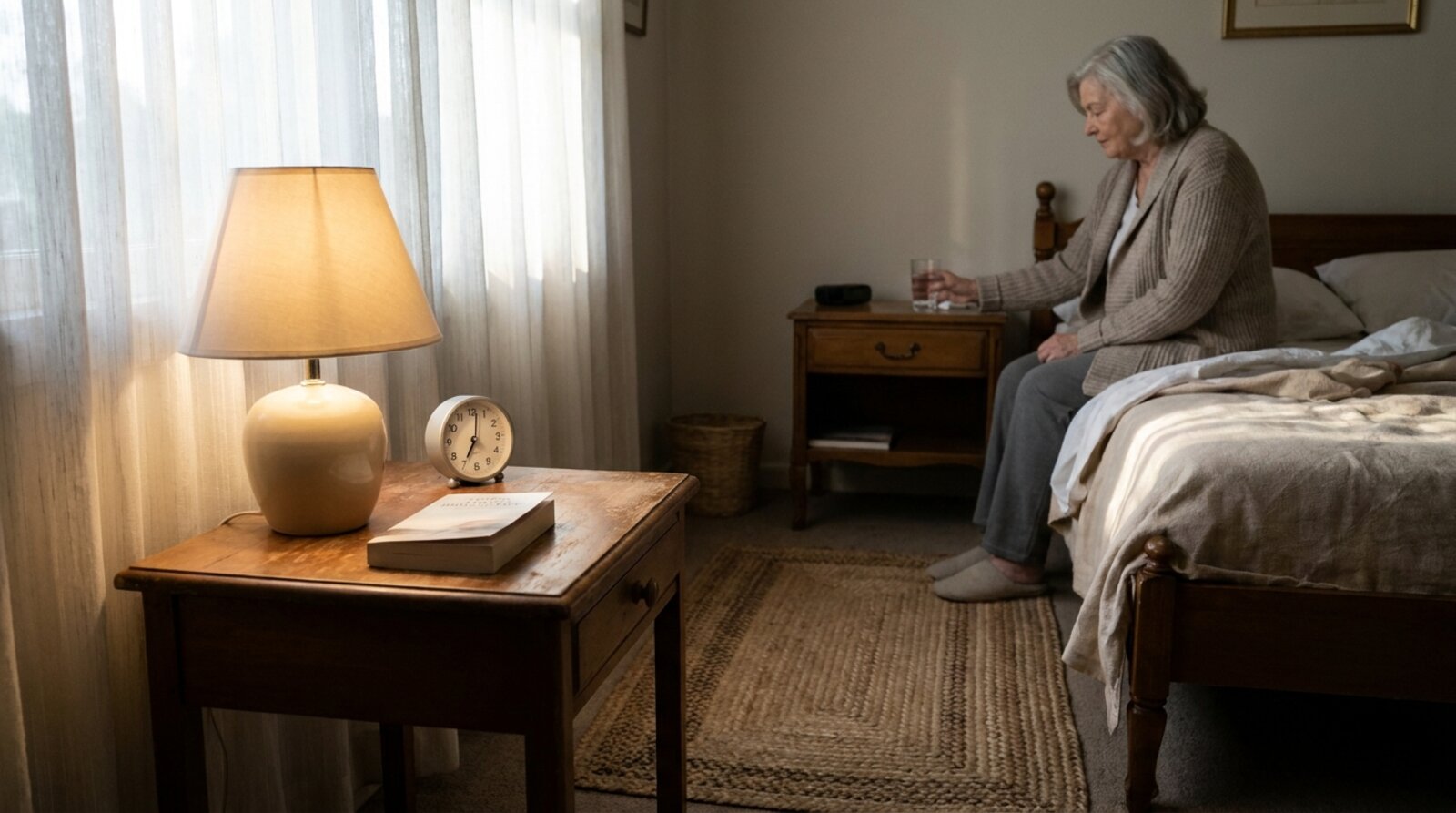
- A safe path at night. A lamp that's easy to reach from bed and a night light in the hall and bathroom.
When sleeping more is part of a serious illness
If your parent has a serious illness that's getting worse, sleeping much more can be part of how the body changes near the end of life. MedlinePlus lists sleeping more among the changes families see in a person's final days and weeks. If that might be where you are, ask the doctor directly, and ask whether palliative care or hospice could help your parent stay comfortable and help you know what to expect.
- Time your parent went to bed and time they got up for the day
- Times they woke during the night, and why if they know (bathroom, pain, worry)
- Every nap: when and how long
- Caffeine, alcohol and exercise that day
- Snoring or pauses in breathing anyone noticed
- Any new medicine, or a change in dose
- How alert they seemed in the afternoon, on a scale of 1 to 5
Mom has something to be up for after lunch, and napping can wait.
Once the medicines and the apnea are ruled out, what's left is often a long, empty day. Tiina gives your parent a standing conversation to look forward to, about hobbies, old stories or whatever they're curious about, whenever they want it.
Try Tiina with Mom →Frequently Asked Questions
Methodology & editorial policy
Reviewed and updated October 31, 2026 by the Tiina Editorial Team. Facts, programs and prices in this guide come from the sources listed below.
About composite scenarios. The opening scene is a composite.
About Tiina. Tiina is a voice-first AI companion for older adults: an app for iPhone and iPad that your parent opens whenever they want someone to talk to, day or night.
Sharing. Quote freely with a link back to this page. For full reprints, email hello@tiina.ai.
Sources. 7 references: National Institute on Aging, American Academy of Sleep Medicine, MedlinePlus.View all
- National Institute on Aging. Sleep and Older Adults. nia.nih.gov
- American Academy of Sleep Medicine. Sleep and Growing Older. sleepeducation.org
- MedlinePlus. Drowsiness. medlineplus.gov
- MedlinePlus. Delirium. medlineplus.gov
- MedlinePlus. Stroke. medlineplus.gov
- MedlinePlus. Palliative care: what the final days are like. medlineplus.gov
- National Institute on Aging. Taking Medicines Safely as You Age. nia.nih.gov